







Sustainable packaging uses recyclable, refillable, or compostable materials to cut down on plastic waste. The U.S. still recycles only a small share of its plastic packaging, and regulations in California and the UK are pushing companies to change faster. The main hurdles are consumer expectations, product protection, durability, and cost, and each one has a practical fix.
Consumers continue to ask for greener packaging, and they are backing it up with their wallets. A widely cited Trivium Packaging global consumer survey found that a majority of shoppers say they would pay more for products in recyclable, reusable, or refillable packaging. At the same time, state governments and countries around the world are passing laws that require companies to move toward sustainable packaging, whether they are ready or not.
That combination of consumer pressure and regulation puts companies in a tough spot. They want to meet demand and stay compliant, but they also need packaging that protects their products and fits their budget. Here is a look at the most common sustainable packaging challenges and how to work through them.
QUICK TAKEAWAYS
|
What Is Sustainable Packaging?
Sustainable packaging is designed to reduce the amount of waste that ends up in landfills, waterways, and oceans. That can mean materials that are fully recyclable, like aluminum, materials designed to be refilled and reused, or compostable packaging that breaks down naturally in soil. It can also simply mean using less material to package the same product.
Why Is Packaging a Sustainability Issue?
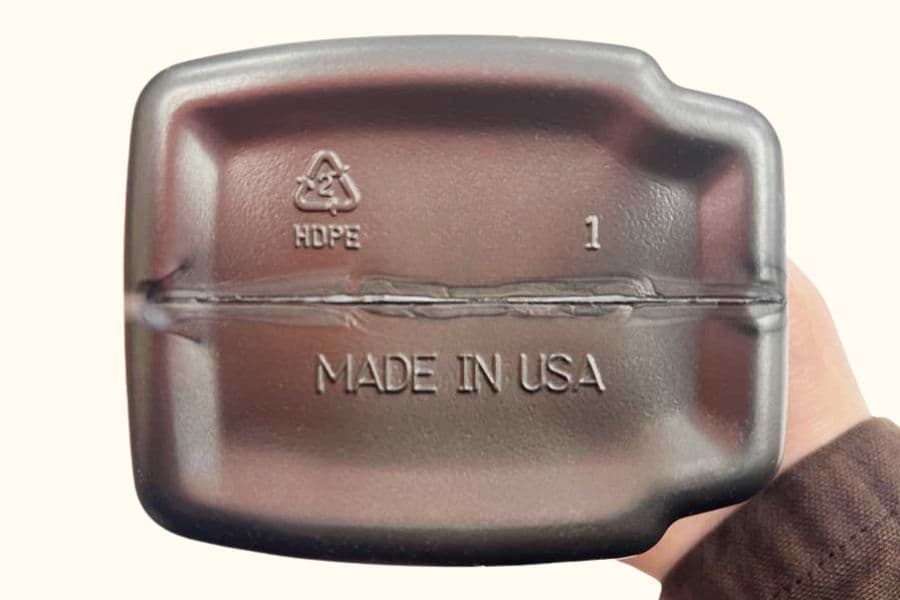
Most packaging in use today is still plastic, and plastic is difficult to recycle at scale. According to the U.S. Environmental Protection Agency, the country generated 35.7 million tons of plastic in 2018, the most recent year with full EPA data, and only 8.7% of it was actually recycled. Plastic can take anywhere from 20 to 500 years to break down, and in the meantime it clogs waterways, contaminates food and drinking water, and harms wildlife. Even when plastic does get recycled, it can typically only go through the process two or three times before it degrades too much to reuse.
Part of the problem is that recycling systems struggle with mixed materials. A bottle cap, for example, is often a different type of plastic than the bottle itself, and it may have a foil or foam liner that is hard to separate. Facilities that cannot easily sort a package’s components often send the whole thing to a landfill instead. Color can cause the same problem, since some sorting equipment cannot correctly identify darker or dyed plastics.
Even with these drawbacks, plastic remains popular for a simple reason: it works. It is lightweight, which keeps shipping costs down, it is widely available, and it is versatile enough to package everything from food to industrial chemicals. Many production lines are also built specifically around plastic packaging, which makes switching materials a real operational decision, not just a sourcing one.
Packaging Materials at a Glance
| Material | Recyclability | Durability | Relative Cost | Best For |
| Glass | Infinitely recyclable | High | Higher, heavier to ship | Long lifecycle or premium feel |
| Metal (aluminum, steel) | Infinitely recyclable | High | Moderate to high | Reusable containers, aerosols, cans |
| Fiber and cardboard | Widely recyclable | Moderate | Lower, lightweight | Boxes, secondary packaging, dry goods |
| Compostable plastics | Compostable, not always recyclable | Moderate | Moderate | Food service, single-use items |
| Conventional plastic | Limited, 2 to 3 cycles | High | Lower | Flexibility or a moisture barrier |
Common Challenges and How to Solve Them

Switching to sustainable packaging is rarely an easy or straightforward decision. It comes with a handful of trade-offs between price, performance, and what customers actually want. Thankfully, there are practical fixes. Here are four challenges companies run into most often, and what they can do about them.
Consumer Expectations
Studies show consumers are willing to pay more for sustainable products, but the overall product and package must still make sense for the buyer. Getting this balance right starts with understanding what your customer actually wants.
Challenge: Consumers say they want sustainable packaging, but companies still need to price products fairly. If you raise prices too much to cover the cost of new materials, shoppers may go elsewhere. Companies also need to understand what kind of sustainability their customers actually value, since packaging that is technically recyclable does not help the environment if no one recycles it.
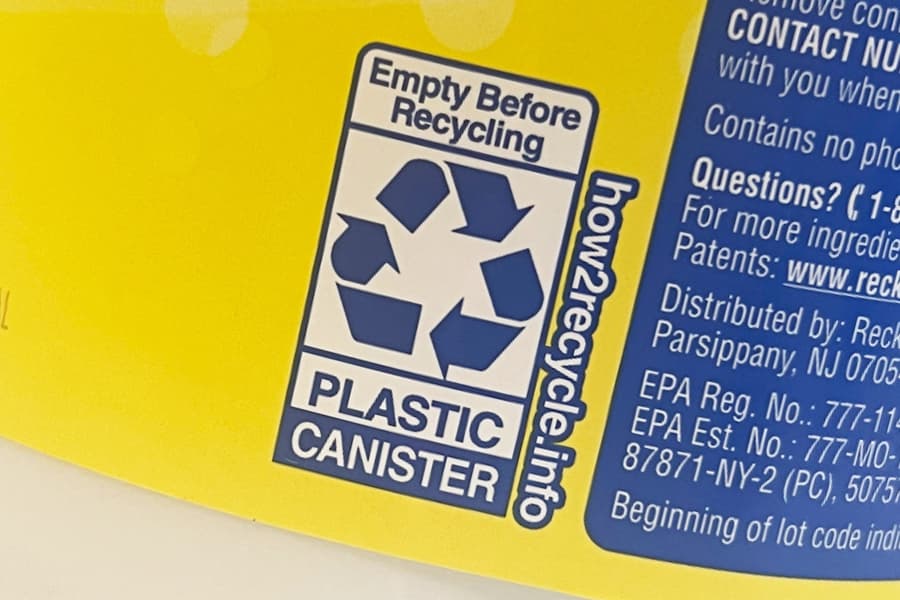
Solution: Start with research. Ask your customer base what type of sustainable packaging they prefer and how much more they are willing to pay for it. Once you know what they want, include clear instructions on how to reuse, recycle, or compost the packaging. That small addition makes it far more likely customers will actually follow through.
Protecting Goods
A package that is good for the planet still has to protect the product it holds. Before you make the switch to new packaging, it needs to be thoroughly tested to prove it can protect the product through its entire lifecycle.
Challenge: Sustainable packaging still has to do its job and keep the product safe from the warehouse floor to the customer’s hands. Some sustainable materials are more fragile and can absorb odors or react with the product inside. When packaging fails, customers can end up with a damaged product or, worse, packaging material mixed in with something they are meant to eat or apply to their skin.
Solution: Thoroughly test the packaging before you switch. Run the new packaging through real shipping and handling conditions, and check how it interacts with the product over time. If a material causes problems, such as degrading from contact with the product or transferring odor, a liner or a different sustainable material may solve it without abandoning the sustainability goal altogether.
Durability and Lifecycle
Reusable packaging only earns that label if it can survive repeated use. This is where material choice determines whether a sustainability claim holds up over time or falls apart, sometimes literally, after a few uses.
Challenge: Packaging can look sturdy on day one and still break down after months in a warehouse or on a store shelf. That is especially risky for packaging marketed as reusable. If a container falls apart after a few uses despite being sold as durable, customers lose trust in the brand.
Solution: Choose materials built for a long lifecycle when reuse is part of the pitch. Glass Packaging and Metal Packaging both hold up well over time when handled with care, and both can still be recycled once a customer is done reusing them.
Costs
Cost is the first objection companies raise when sustainable packaging comes up, and it’s a fair one. The good news is that there are more budget-friendly options on the market than you might expect.
Challenge: Switching to sustainable materials often means higher production, supply, and labor costs, at least at first. Heavier materials like glass and metal can also raise shipping costs compared to lighter fiber or plastic packaging.
Solution: The sustainable packaging market is bigger and more varied than many companies realize. Lighter options like flexible packaging can actually lower shipping costs. Working with a packaging distributor who understands your goals also helps. They can compare options across suppliers and find sustainable materials that fit your budget.
Packaging Regulations to Know
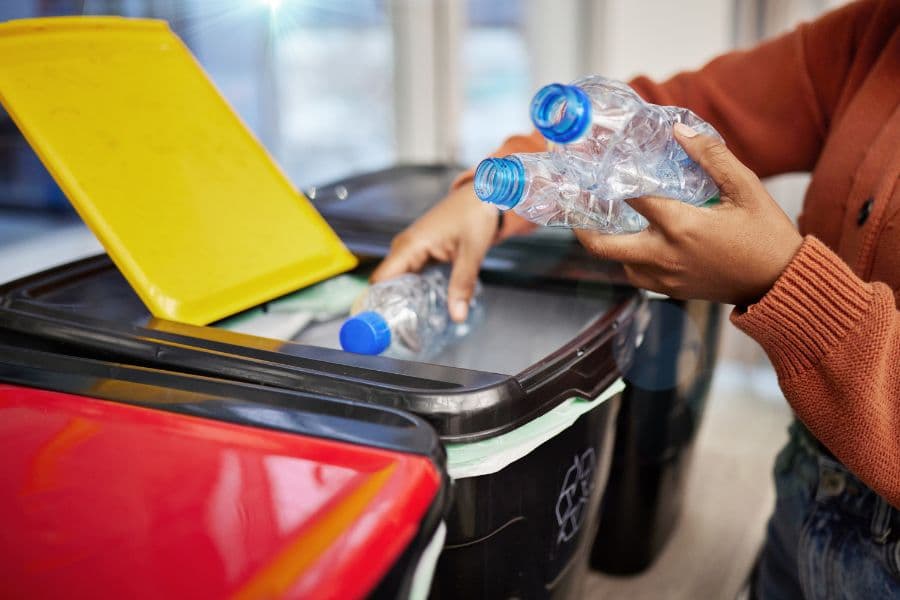
Packaging regulations are advancing faster than companies expect, and two of the most significant examples come from California and the United Kingdom.
California SB 54
California’s SB 54, or Plastic Pollution Prevention and Packaging Producer Responsibility Act, shifts responsibility for packaging waste from consumers to producers. According to CalRecycle, the law’s goals include a 25% reduction in single-use packaging, a requirement that 100% of packaging in the state be recyclable or compostable, and a target of actually recycling 65% of that packaging, all by 2032. A producer responsibility organization oversees compliance on the state’s behalf.
The exact compliance milestones have shifted since the law passed in 2022, as California has revised parts of the implementing regulations. Companies selling packaged goods in California should check CalRecycle’s SB 54 page directly for the current deadlines rather than relying on the original 2022 timeline.
UK Plastic Packaging Tax
The UK’s Plastic Packaging Tax took effect in April 2022 and applies to plastic packaging that contains less than 30% recycled content. Unlike SB 54, this is a straightforward tax rather than a recycling mandate, and the rate rises every April.
| Effective Date | Rate per Tonne |
| April 2022 | £200.00 |
| April 2023 | £210.82 |
| April 2024 | £217.85 |
| April 2025 | £223.69 |
| April 2026 | £228.82 |
Companies that manufacture or import 10 tonnes or more of plastic packaging in a 30-day period, or 10 tonnes over the prior 12 months, are subject to the tax. That includes filled packaging, such as bottled beverages, not just empty containers.
California vs. UK, at a Glance
| California SB 54 | UK Plastic Packaging Tax | |
| Type of policy | Producer responsibility mandate | Tax on non-recycled content |
| What it requires | Recyclable/compostable packaging, recycling targets | Payment based on recycled content threshold |
| Key deadline | 2032, with interim targets phased in | Ongoing, rate increases each April |
| Who it affects | Packaging producers selling in California | Manufacturers/importers of 10+ tonnes into the U.K. |
Frequently Asked Questions
What is sustainable packaging?
Sustainable packaging is packaging made or designed to reduce environmental impact, typically through recyclable, reusable, refillable, or compostable materials, or simply by using less material overall.
Why is so little plastic packaging actually recycled?
Mixed materials, hard-to-remove liners, and sorting equipment that struggles with certain colors all send recyclable-looking plastic to landfill. According to the EPA, only 8.7% of plastic generated in the U.S. was recycled as of the most recent full data available.
What does California’s SB 54 require?
SB 54 requires a 25% reduction in single-use packaging, 100% recyclable or compostable packaging, and a 65% actual recycling rate by 2032, with compliance overseen by a producer responsibility organization.
How much is the UK Plastic Packaging Tax in 2026?
As of April 2026, the rate is £228.82 per tonne for plastic packaging with less than 30% recycled content. GOV.UK has a list of steps to comply with the Plastic Packaging Tax.
Is glass or metal more sustainable than plastic?
Glass and metal are both infinitely recyclable and hold up well to repeated reuse, which makes them strong choices when durability and lifecycle matter. The lining used in metal packaging also affects the package’s sustainability and recyclability. These materials are heavier to ship, so the right choice depends on the product and the supply chain.
What Comes Next
California and the UK will not be the last governments to regulate packaging waste. Several other states, including Oregon, Colorado, and Maine, have already passed their own producer responsibility laws for packaging, and more are likely to follow. Companies that wait until a law takes effect in their market to start planning will have less time and fewer options. Starting the transition now, even gradually, puts a business ahead of the requirements rather than scrambling to meet them.
Paramount Global Sustainable Packaging Solutions
Paramount Global supplies sustainable packaging for a wide range of industries, including aerospace, automotive, food and beverage, pet care, pharmaceutical, industrial and household chemicals, cosmetics and personal care, and paints and coatings. Our materials include glass, metal, plastic, fiber, corrugated cardboard, acrylic, and more, available as ready-made containers or customized to your product’s shape and size. Check out our Product Catalog to explore our range of capabilities.
If regulations affect your business, or you simply want packaging that meets your customers halfway, our team can find the right material for your goals and your budget. Contact us today to discover how we can be the partner that helps you reach your goals and beyond.