






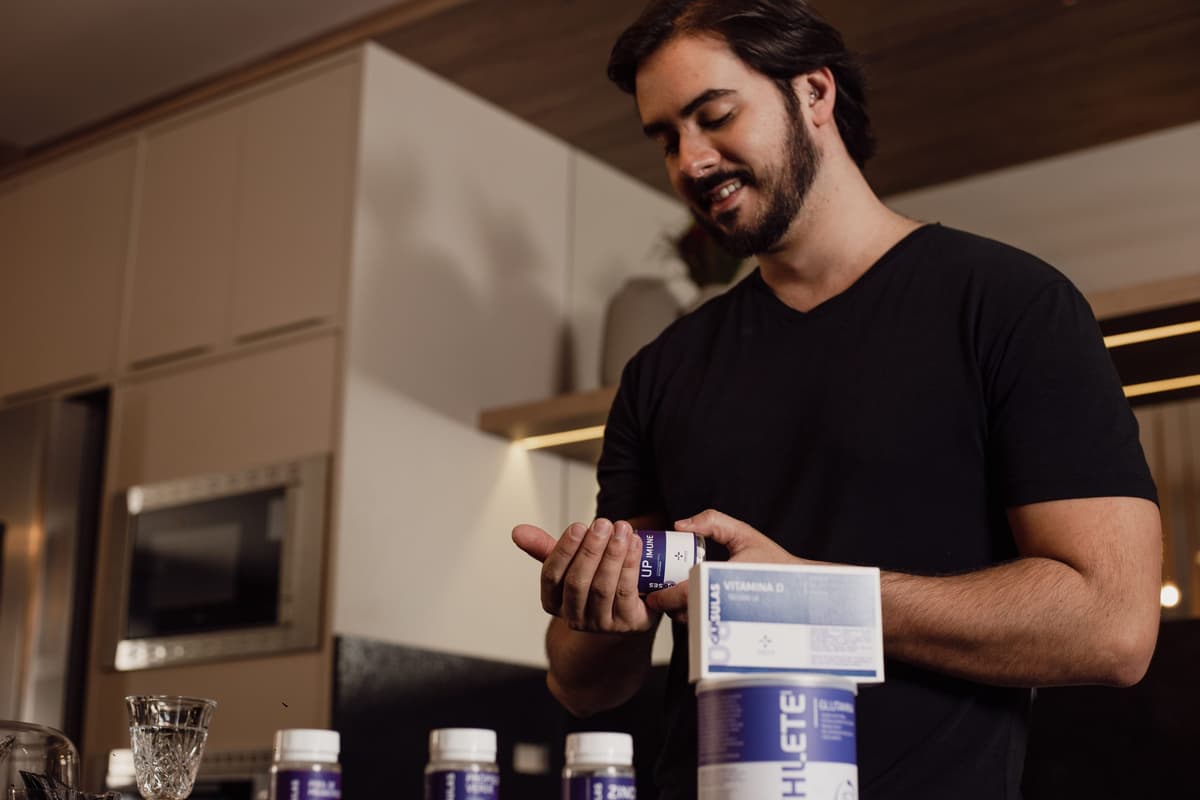
The right supplement packaging depends on three things: how sensitive your formula is to moisture, oxygen, and light; your dosage format; and how customers will use and store the product. For most capsules and tablets, an HDPE bottle with an induction seal and moisture control is the standard. Light-sensitive or premium formulas often call for amber PET or glass.
Step 1: Identify Your Formula’s Sensitivities
Your stability testing should guide every packaging decision. Start by identifying what can degrade your product:
- Moisture: Probiotics, effervescent tablets, and many herbal extracts can clump, soften, or lose potency.
- Oxygen: Omega-3s, fish oils, and vitamin C oxidize over time.
- Light: Riboflavin, vitamin A, and many botanicals break down under UV exposure.
- Heat: Gummies and softgels can deform or stick together in transit.
Step 2: Compare Container Materials
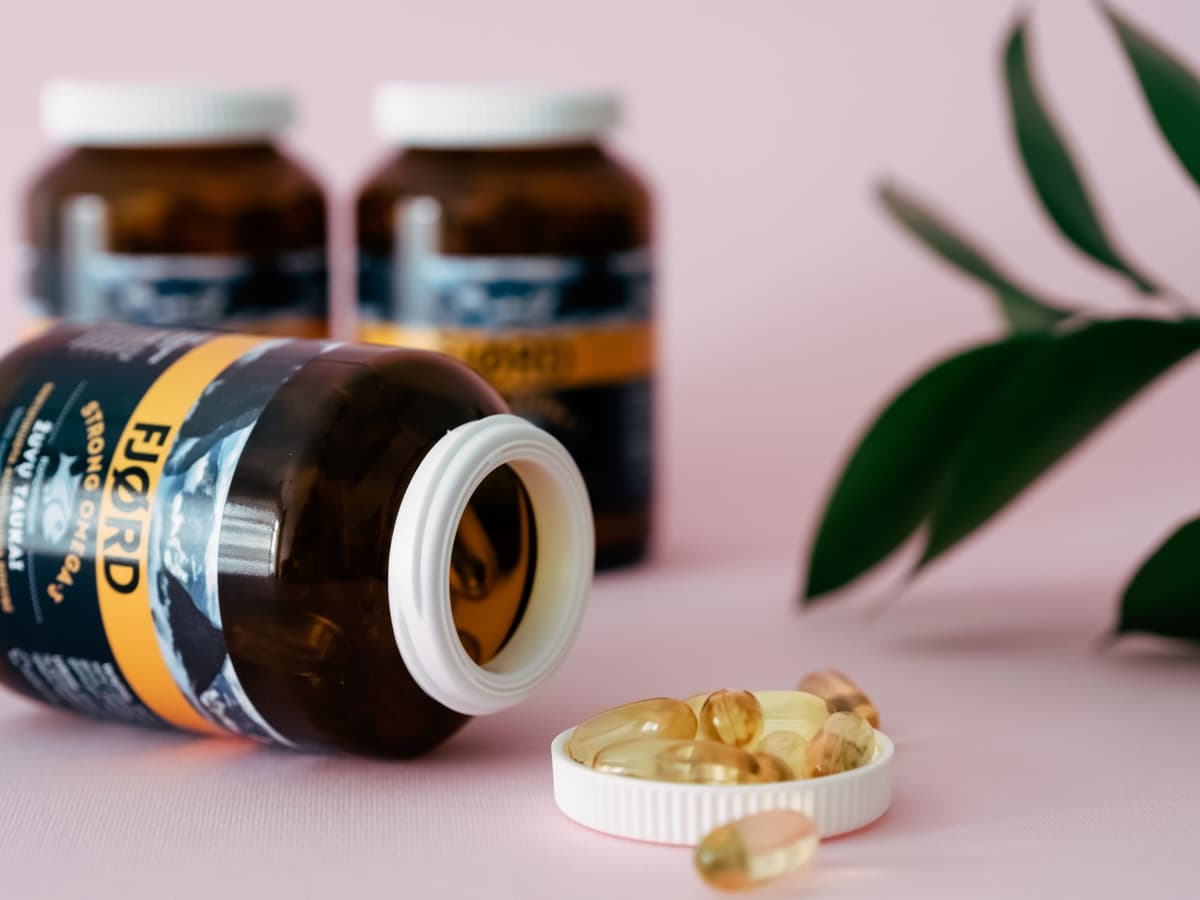
HDPE
The most common choice for capsules and tablets. It offers a strong moisture barrier, is lightweight and impact-resistant, and its opaque white finish blocks light.
PET
Clear or amber with a premium, glass-like look. PET is a better oxygen barrier than HDPE but a weaker moisture barrier, making it popular for gummies and products where visibility sells.
Glass
The best overall barrier against oxygen and moisture, with amber adding UV protection. It’s heavier and more fragile, so freight costs run higher. Common for liquids, tinctures, oils, and premium lines.
Pouches
Foil-lined stand-up pouches are lightweight and space-efficient for powders and gummies. Barrier performance depends on the film structure, and lower shipping costs make them a good fit for refill and DTC models.
Sustainable options
PCR resin, ocean-bound plastic, pouches and plant-based resins like sugarcane PE are widely available. Confirm barrier performance meets your stability requirements before switching.
Step 3: Choose the Right Closure
The closure is where most packaging failures happen.
- Induction seals bond a foil liner to the bottle rim, adding tamper evidence and an extra moisture and oxygen barrier.
- Child-resistant closures are required for some products. Under the U.S. Poison Prevention Packaging Act, supplements with 250 mg or more of elemental iron per package must use CR packaging.
- Matched systems prevent leaks, failed seals, and line jams. Source bottles and closures together so neck finishes fit.
Step 4: Control Moisture Inside the Package
Even a sealed bottle traps some humidity at filling. Desiccant canisters or packets absorb residual moisture, desiccant-lined closures save space, and cotton or rayon coil reduces tablet movement and breakage in transit.
Step 5: Plan for Labeling and Compliance
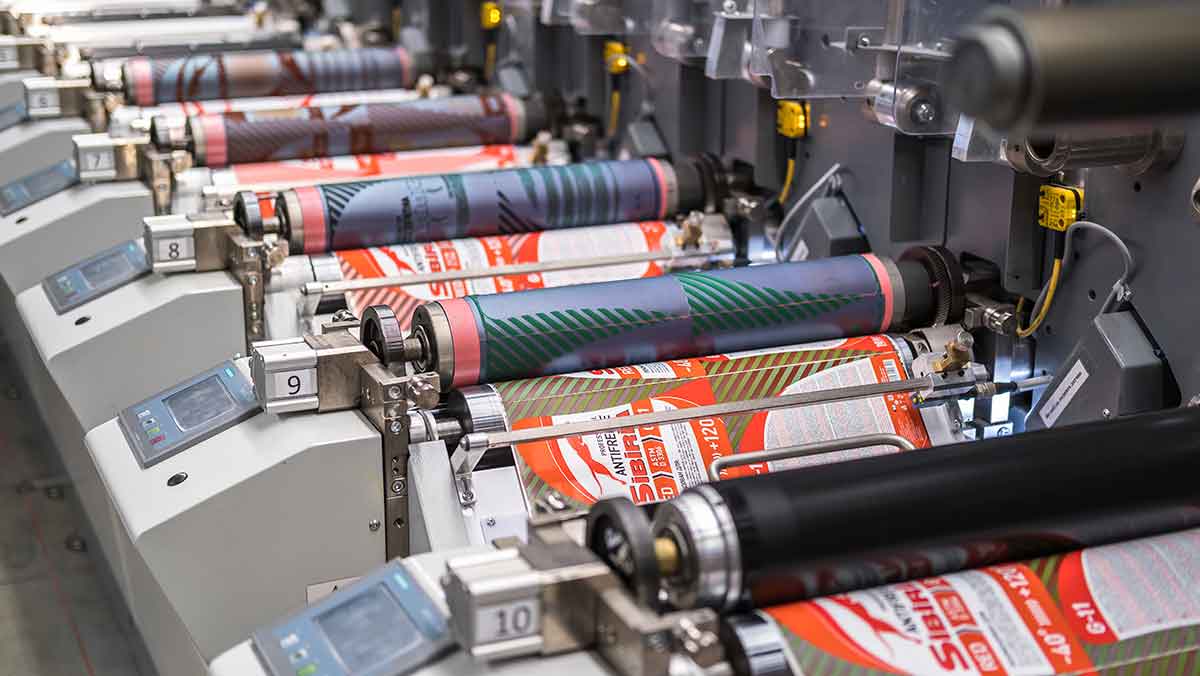
U.S. supplement labels must include a Supplement Facts panel, statement of identity, net quantity, and manufacturer or distributor information. Packaging and labeling also fall under FDA’s dietary supplement cGMP rule (21 CFR Part 111). Choose a container with enough label space for required information and your branding.
Step 6: Consider the Full Supply Chain
Packaging decisions affect more than the shelf. Custom colors, molds, or imported components can add weeks of lead time. Large minimum order quantities tie up cash and warehouse space. Container weight and size affect freight costs at every step.
How Paramount Helps
Paramount Global has supplied packaging to nutraceutical and supplement brands since 1976. We source matched bottle and closure systems, manage freight, and hold inventory until you need it, so your line keeps running and your product stays protected.
See How We Help Supplement Brands
FAQ
What is the best packaging for supplements?
For most capsules and tablets, an HDPE bottle with an induction-sealed closure and desiccant is the industry standard. Light- or oxygen-sensitive formulas often do better in amber PET or glass.
Is PET or HDPE better for supplements?
HDPE is the better moisture barrier. PET is the better oxygen barrier and offers clarity. Choose based on which threat matters most to your formula.
Do supplements need child-resistant packaging?
Some do. In the U.S., supplements containing 250 mg or more of elemental iron per package require child-resistant packaging. Check with your regulatory advisor.
How do I keep supplements from absorbing moisture?
Use a high-barrier container, an induction seal, and a desiccant, either as a canister or built into the closure.
Can supplement packaging be sustainable?
Yes. PCR, ocean-bound, and plant-based resins are widely available. Validate barrier performance with stability testing before switching.
Let’s Find the Right Packaging for Your Formula
Not sure which container, closure, or material fits your product? Our team can help you compare options and plan for supply.