






Packaging has never had to do so much at once. It needs to tell a brand’s story, survive ever-changing EPR laws, earn consumer trust, and still look good enough to stop a thumb mid-scroll. In 2026, those pressures are colliding in ways that are reshaping how brands design, source, and label their packaging.
Here are the five packaging design trends worth watching this year, and what they mean for brands trying to stay ahead.
1. Connected Packaging Turns Products Into Digital Touchpoints
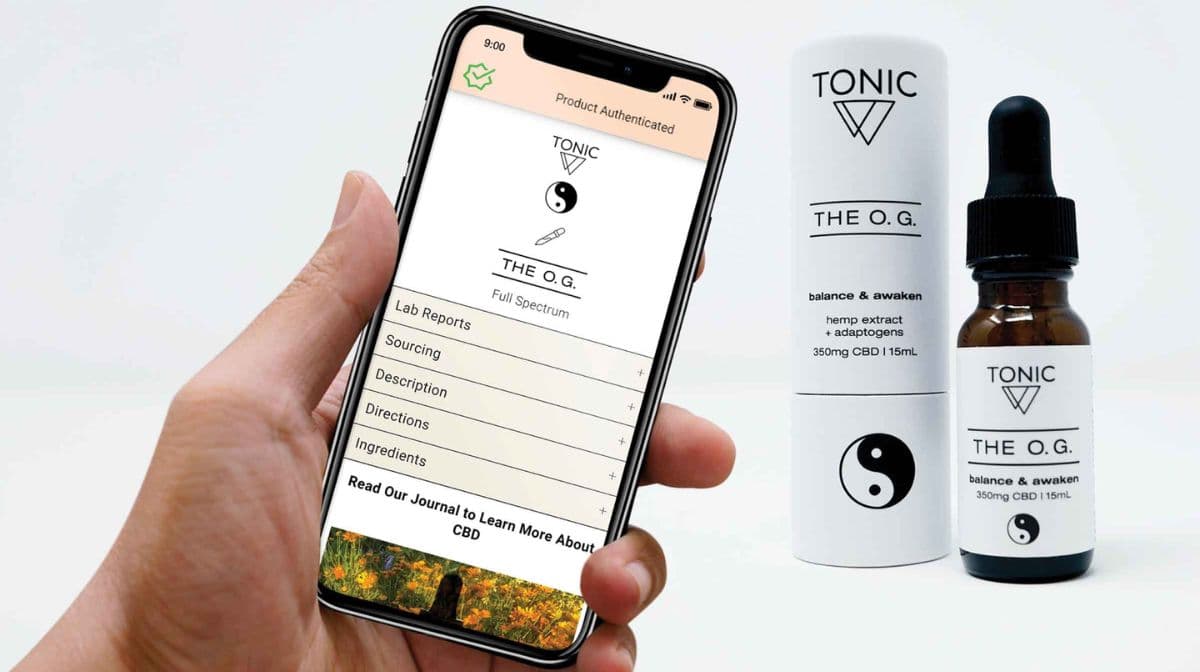
image source: https://www.bluebite.com
Connected packaging pairs a physical product with a digital layer, usually through a QR code or RFID tag. When you scan it, the consumer gets an extra dimension of the product. This can include sourcing details, brand storytelling, sustainability claims, and more. It’s like a second label with no size limit.
Regulation is a big reason this trend is accelerating. The European Union’s Digital Product Passport, which became mandatory in 2024, requires that consumers be able to trace a product’s origin and learn how to dispose of it properly. That single requirement has pushed brands across the world to think seriously about digital packaging, not just as a marketing add-on but as a compliance tool.
There’s a practical upside too. When detailed information moves online, brands can shrink or simplify their physical packaging. This supports lightweighting efforts, which reduce material costs and environmental impact simultaneously. Digital packaging also gives brands a layer of legal protection, since claims made online can be updated and verified more easily than text printed on a package that might sit on a shelf for months.
2. Material Innovation Is Being Driven by Regulation, Not Just Trends
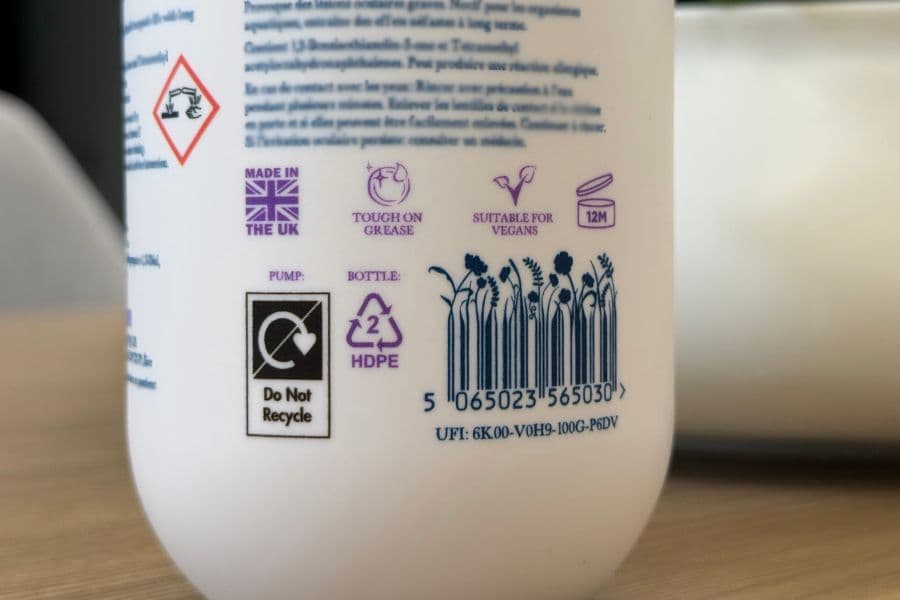
Regulatory pressure is doing more to shape packaging materials right now than consumer preference alone. Brands are moving toward mono-material packaging, meaning containers made from a single polymer instead of mixed materials. Mono-materials matter because they’re far easier to recycle. Mixed-material packaging often can’t be processed at all in standard recycling streams.
Multi-material packaging exists because it does things a single material often can’t, like blocking moisture or oxygen. Barrier coatings are closing that gap, allowing mono-material packaging to perform nearly as well while remaining recyclable. Interest in paper-based packaging is also rising, particularly in the UK, as brands look for alternatives that fit more easily into existing recycling infrastructure.
Regulation is pushing harder than ever on this front. California’s SB 343, known as the Truth in Labeling law, bans certain recycling symbols unless a material is actually recyclable in at least 60% of the state’s recycling programs. That’s a meaningful threshold, and it puts a lot of pressure on brands that have leaned on vague or optimistic recycling claims. Given how much greenwashing exists in the CPG world, this law alone could force real changes in how packaging is labeled and marketed. That said, enforcement is currently on pause. A federal court granted a preliminary injunction in July 2026 blocking California from enforcing SB 343 while a coalition of industry groups challenges the law on First Amendment grounds, so brands should watch how the case unfolds rather than assume the current rules are final.
3. Sustainability Claims Are Facing a Credibility Test
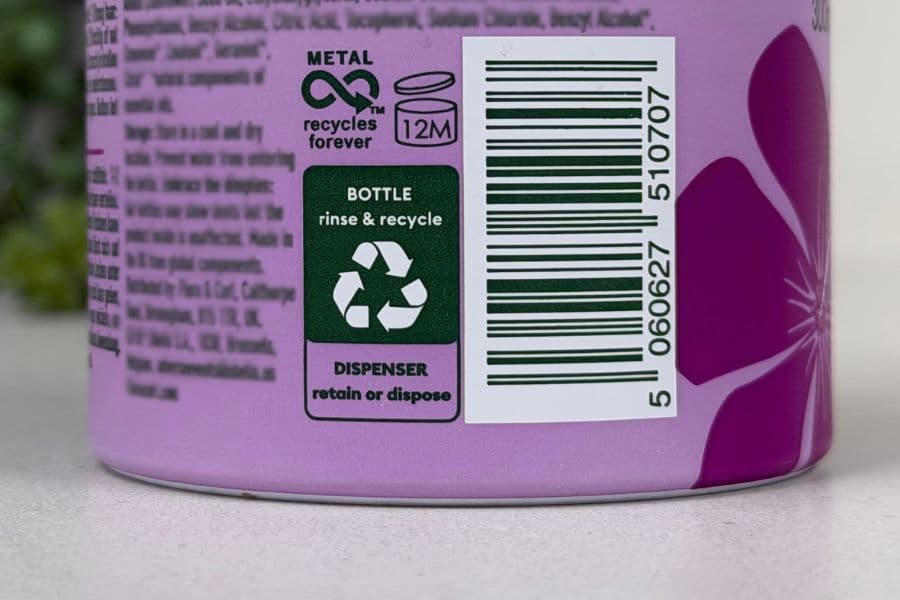
Sustainability still moves the needle with consumers, especially younger ones. But trust is thin. Recent research found that 66% of consumers aren’t sure whether a brand’s sustainability efforts are genuine. That skepticism is exactly why Extended Producer Responsibility, or EPR, and labeling laws are becoming so important.
EPR programs are shifting fast from planning stages into real enforcement, and they’re rolling out across multiple states on different timelines. That overlapping patchwork makes compliance genuinely complicated. California’s SB 343 adds another layer, requiring that recyclability claims be backed by verified data, with a compliance deadline of October 4, 2026. Thankfully, the How2Recycle PRO labels exist to help brands meet this standard.
A federal court recently granted a preliminary injunction pausing enforcement of SB 343 while the law faces a First Amendment challenge, so the October 4, 2026 deadline is on hold for now. But the injunction is preliminary, not a final ruling, and the underlying compliance requirements haven’t gone anywhere. If your brand has packaging or graphics updates planned in the coming months, it’s still worth building SB 343 compliance into that process. Retrofitting labels later, after the courts settle the case, is a much more expensive and disruptive way to solve the same problem. Brands that treat compliance as part of their design process, rather than an afterthought, will spend 2026 building something more durable than a quick fix.
4. Convenience as the Baseline
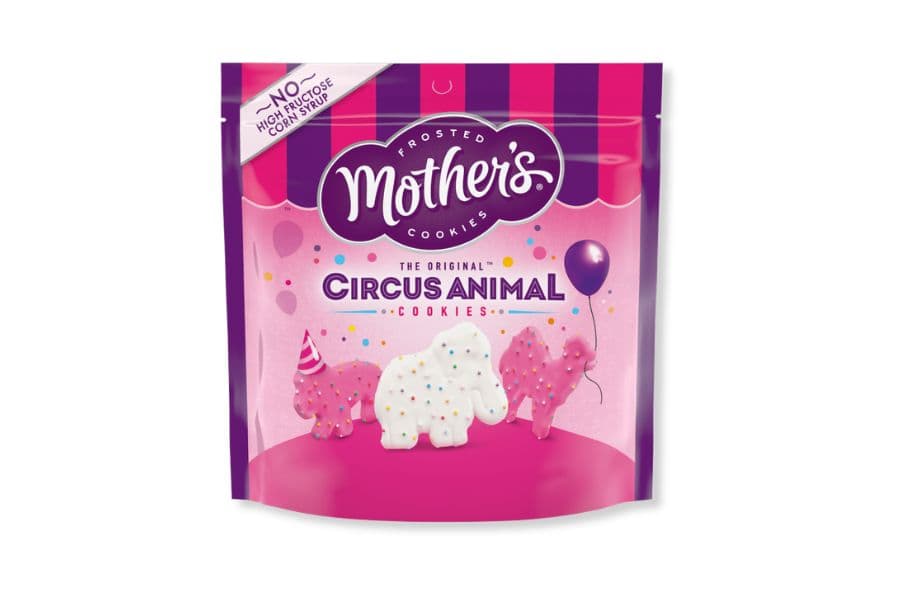
image source: Mother’s
Consumers expect packaging to work hard and function easily. 57% say they’re looking for snacks they can eat on the go, and that same expectation for ease and portability has spread across almost every category. Features that once felt like upgrades, such as resealable pouches or easy-open lids, are now expected.
Resealable packaging has real momentum. Half of consumers say it’s an important feature, and it’s easy to see why. It reduces food waste and extends shelf life, which is good for the planet and good for a household budget. Easy-open design matters just as much, with 57% of consumers citing it as important, a number that climbs even higher among adults 65 and older. Design features like laser scoring and easy-peel seals double as accessibility features that determine whether a product works for a significant share of consumers.
5. Shelf Presence Is Becoming an Emotional Strategy
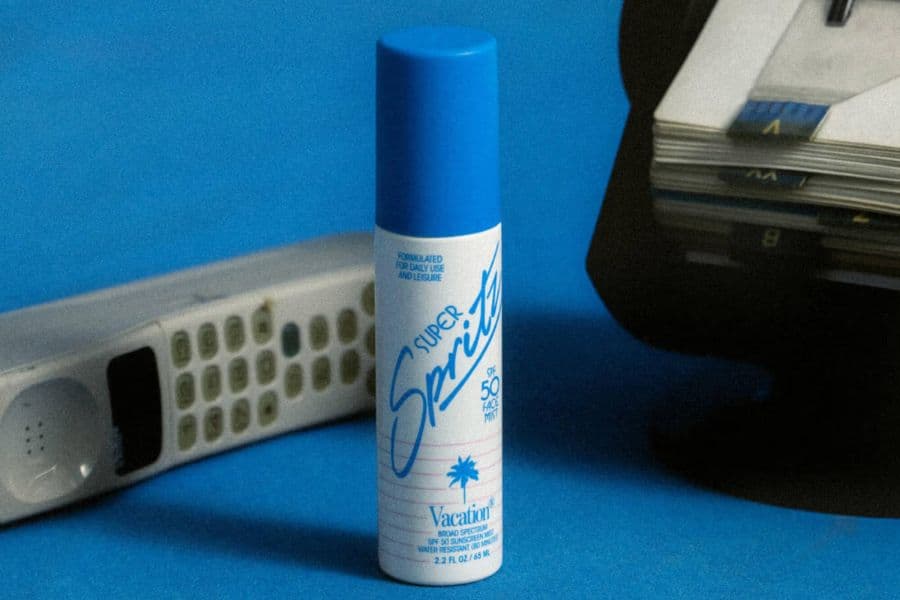
image source: Vacation.Inc
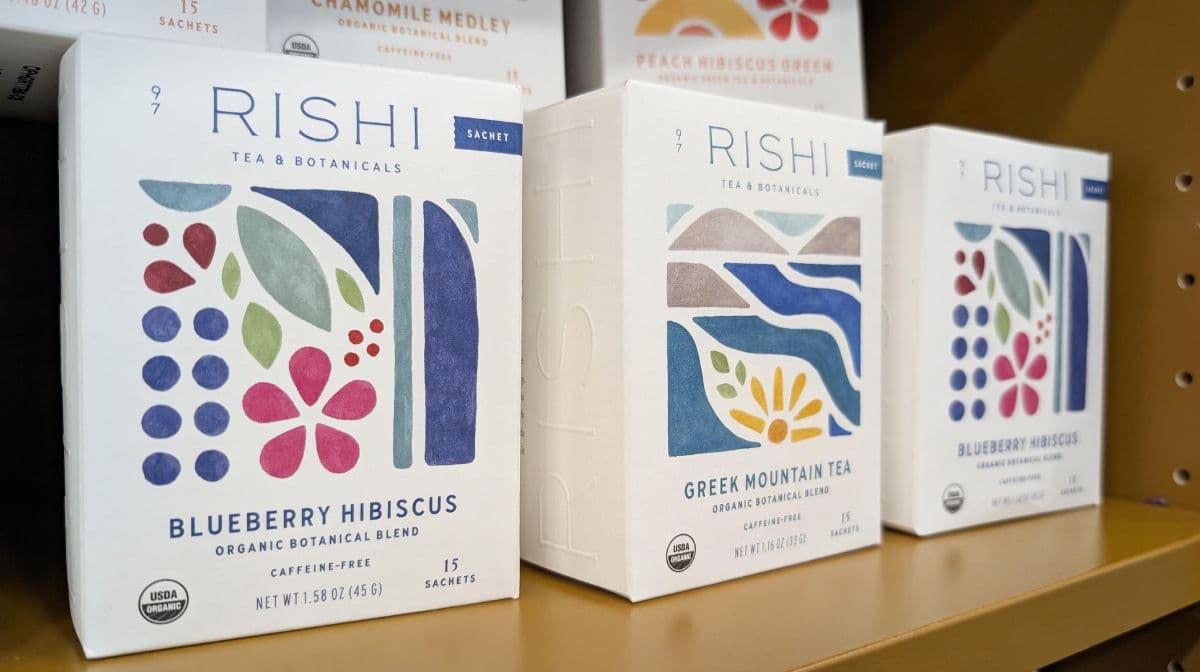
Looks matter more than ever, and not just for grabbing attention. For consumers aged 18 to 44, many of whom discover new products through social media, packaging design plays a big role in the decision to buy. Millennials in particular respond to bold, vibrant, premium-feeling designs.
Nostalgia is one of the strongest tools brands are using to build that connection. Retro colors, vintage typography, and limited-edition throwbacks tap into comfort and familiarity, which matters during uncertain economic times. Finish and texture are doing similar work. Matte surfaces, matte and gloss contrast, and metallic accents all signal quality at a glance. Clear windows that reveal the product inside build trust and reinforce a brand’s transparency, which pairs naturally with the “better for you” positioning so many consumers are looking for.
The Bigger Picture: Balancing Sustainability, Compliance, and Affordability
None of these trends exist in isolation. Brands are trying to balance sustainability goals, new packaging laws, rising consumer expectations, and affordability pressure, all while tariffs continue to shift the cost of materials. It’s a lot to manage at once, and 2026 has already shown some of the friction that comes with it.
One example playing out right now involves compostable packaging. The Biodegradable Products Institute, or BPI, has been pushing the U.S. Department of Agriculture to issue a clearer rule on what counts as acceptable compost material. BPI first petitioned the USDA in August 2023, seeking a revised definition of “compost feedstock.” The agency never acted on it. In a recent letter to the USDA, BPI argued that this lack of clarity is actively hurting the market, making it harder for companies to invest in compostable packaging with any confidence.
California adds urgency to this. The state’s AB 1201, set to take effect in mid-2027, says any product labeled “compostable” must qualify as an allowable input under the USDA’s National Organic Program. BPI has said it will keep pushing for federal rulemaking while also supporting California legislation that could remove that connection altogether. In its letter, BPI warned that outdated federal definitions paired with aggressive state timelines are creating disruptions for businesses and cities that depend on compostable products in their own composting programs.
BPI has also framed the issue in terms of domestic manufacturing and national security, arguing that clearer rules would support American farmers and reduce reliance on foreign materials. Whether the USDA acts quickly or not, the situation is a good reminder that packaging decisions increasingly sit at the intersection of environmental policy, agriculture, and trade.
In July 2026, a federal judge blocked California from enforcing SB 343, ruling that its recycling-claim standards are likely unconstitutionally vague and that the state hadn’t shown the restrictions would meaningfully improve recycling rates. In 2026, packaging regulation is as much about existing rules being actively contested in court as it is about new ones landing. These outcomes can shift the compliance picture overnight, so it’s still better to plan for compliance than be caught unprepared.
What This Means for Brands
Packaging is meant to inform, protect, and sell a product, often all at the same time. Brands that want to come out ahead in 2026 should focus on a few key moves:
- Build formats that support better-for-you lifestyles and meet new regulatory standards
- Treat accessibility and convenience as core design principles, not just add-ons
- Design for digital-first retail, including strong online visuals and next-generation barcodes
- Invest in shelf presence through premium, emotional, and eye-catching design
- Lead with sustainability claims that are credible, documented, and built to withstand scrutiny
How Paramount Can Help
Navigating this many moving pieces, from evolving regulations to shifting consumer expectations, isn’t something brands need to figure out alone. Whether you’re rethinking your materials, updating labels ahead of new compliance deadlines, or looking to give your packaging more shelf appeal, our team is ready to help you build a strategy that fits where the industry is headed. Contact us today to learn how we can help you reach those goals.
More articles like this:
How Brands Are Reinventing Packaging For FIFA World Cup 2026
Condiment Packaging Trends: Design, Innovation & Growth In Sauces And Dressings
Labeling Quality Control: What Is It, And Why Does It Matter?