






Recycling feels simple on the surface: put items in the bin. Set it at the curb. Done. The reality is far more complex. In this episode of the Packaging Simplified podcast, we sat down with Dale Gubbels, founder of First Star Recycling, to talk about what really happens after the truck drives away. Dale shared what he sees every day on the tip floor of one of the largest recycling facilities in Nebraska. His insights challenge common assumptions about recycling, packaging design, and shared responsibility.
This conversation offers a rare look inside a modern Materials Recovery Facility, or MRF (pronounced “murf”), and what it will take to build a true circular economy.
The State of Curbside Recycling in the U.S.
Curbside recycling is improving in some areas. But at the same time, it is getting harder to manage.
Dale explained that the biggest challenge comes from recycling’s success. The challenge comes in getting people to understand that recycling is more than just setting out materials.
Policymakers and EPR laws have made it much more challenging by mandating that brands redesign packaging to meet sustainability requirements. Complex packaging designs often need to be redesigned to remain compliant with evolving packaging regulations.
This creates confusion and high costs for businesses in a system where the recycling infrastructure and high demand for recycled materials aren’t at the level they need to be.
What the Tip Floor Reveals About Recycling Reality
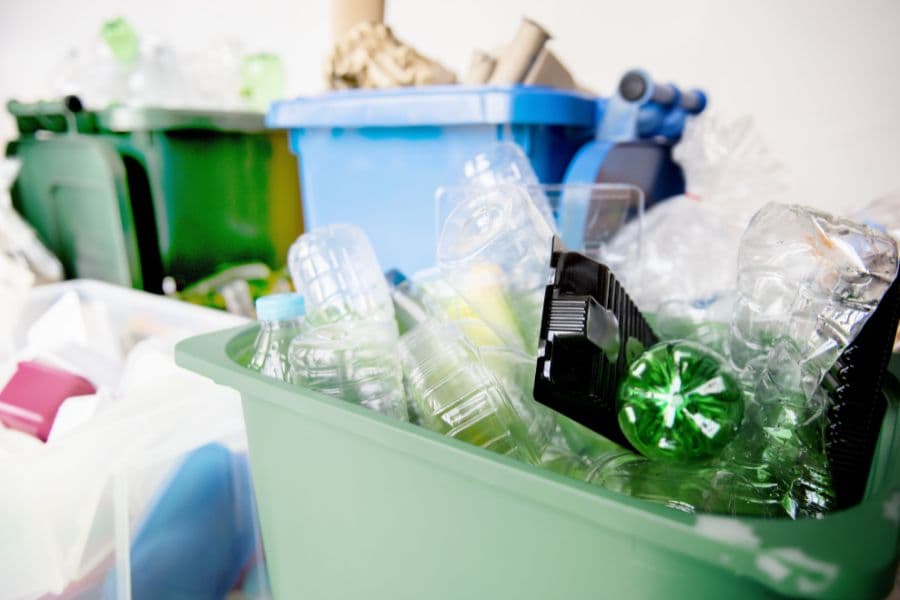
The first stop inside a recycling facility is the tip floor. This is where collection trucks unload everything from curbside bins.
Dale described the tip floor as a real-time snapshot of policy changes, consumer habits, and contamination issues. Wet material, for example, creates major problems. Rain-soaked paper quickly loses its value and becomes unrecyclable.
On any given day, about 80-85% of what enters the facility gets recycled. That number changes daily based on the weather and material quality.
Materials That Recycle Consistently Well
Some materials move through the system more efficiently than others. Recyclable materials vary by region, so it’s important to check with your local recycling facility to determine what materials can be put in your recycling bins.
The most consistently recycled materials at First Star Recycling include:
- Cardboard, the predominant recycled material
- Mixed paper, the second most recycled material
- Clear PET bottles, like soda and water bottles
- HDPE containers, such as milk jugs and shampoo bottles
Optical sorters are used to help identify and sort different types of materials quickly and accurately.
Materials That Cause the Most Problems
As mentioned above, not everything belongs in the curbside bin.
Common problematic or non-recyclable items include:
- Shredded paper
- Wrappers, seals, and liners
- Toys
- Glass
- Small items under two inches wide
- Lithium batteries
Lithium batteries are the most dangerous because they are a significant fire hazard. These batteries cause 2-3 fires per month in recycling trucks and facilities and are a major problem across the industry. The National Waste & Recycling Association (NWRA) and Resource Recycling Systems (RRS) estimate that more than 5,000 fires occur annually at recycling facilities due to lithium-ion batteries.
Glass is another major issue. While many curbside recycling bins accept glass, glass cannot withstand compaction, and broken glass creates safety hazards and contaminates other materials. In addition to optical sorters, there are 4-6 people manually sorting out items that should have never been put into the recycling stream. Dale’s advice was clear: don’t put glass in mixed recycling.
Technology Is Helping, But It Is Not Enough
Innovative technology has transformed recycling operations and greatly improved sorting.
Facilities like First Star now use:
- Optical sorters
- Robotics for quality control
- AI systems that identify materials in real time
One optical sorter can replace about four manual sorters. Even so, human workers remove dangerous or misplaced items by hand. This work still carries real risk.
The Real Barrier to Recycling Is Not Contamination
There is a misconception that contamination is the biggest issue in recycling. While contamination matters, it is not the biggest problem.
Dale said the number one barrier to recycling is the lack of strong end markets for recycled materials. Society has not fully embraced the idea of a circular economy.
Too much virgin plastic still enters the market, and too few products use recycled content.
Without demand and a clear picture of what happens when a material gets recycled, recycling stalls.
Why Some Plastics Should Not Return to Packaging
Policies often push brands to put recycled plastics back into packaging. While that goal sounds good on the surface, it does not always match reality.
Some low-value plastics work better in other uses, such as:
- Plastic lumber
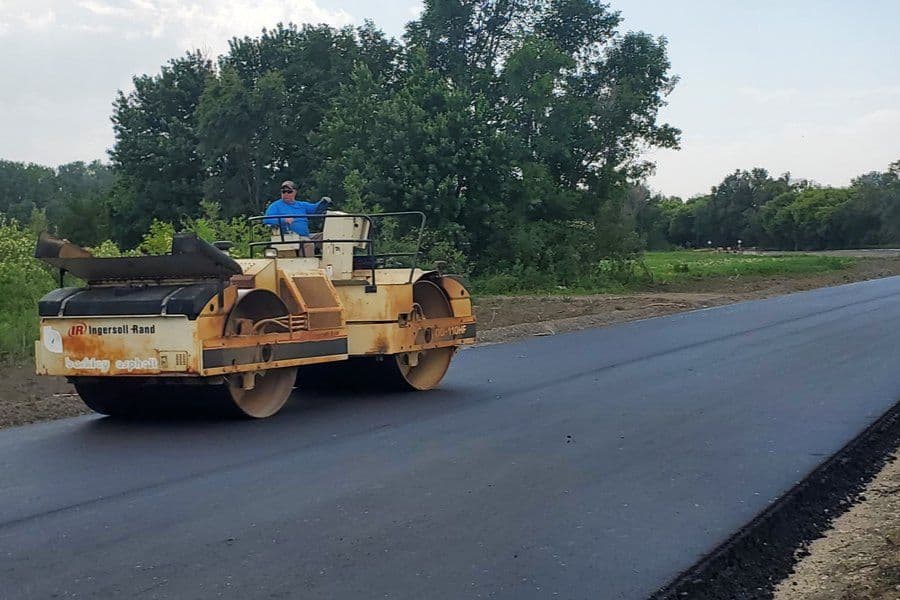
- Plasticized asphalt for road construction
Dale shared an example from Nebraska where they convinced a university and a community to take an otherwise difficult-to-near-impossible plastic and use it in road construction, and it worked beautifully. If the state were able to use this plasticized asphalt widely, it would significantly reduce landfill waste, which totals around 2 million tons per year. Yet policy often limits these solutions by being rigid in how recycled materials are to be used.
To be successful, recycling needs flexibility, not just mandates and passing off responsibility for the materials’ end of life.
Extended Producer Responsibility and Shared Ownership
Extended Producer Responsibility, or EPR, shifts disposal costs from governments to brands. However, Dale believes responsibility should be shared across the entire value chain.
Everyone plays a role:
- Brands
- Designers
- Policymakers
- Consumers
Shifting responsibility does not move the system forward. Collaboration does. When everyone works together to manage and educate on end-of-life steps for a material, then we will start to see real change within the system.
Flexible Packaging and “Wishful Recycling”
Putting flexible packaging, like plastic bags and snack wrappers, in curbside bins is mostly wishful recycling.
There are very few end markets for these materials. In many cases, throwing them away is safer than contaminating the stream.
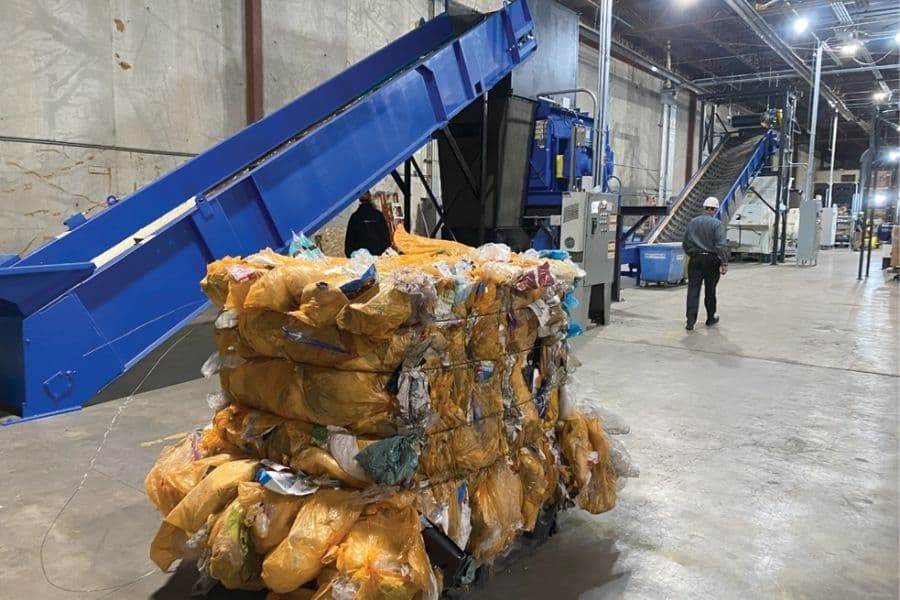
One promising option is store-bought collection programs, such as Heftys’ ReNew Orange Bag. These programs collect flexible packaging separately and turn it into new products. First Star is one of the MRFs that collects these orange bags, and they create plastic lumber directly from these materials.
People are often willing to pay for these solutions when they understand the impact.
What Brands and Designers Should Do Next
Dale challenged brands to move beyond theory, saying that every package should include at least some level of PCR. Many brands are working hard at pushing demand for PCR as members of the US Plastic Pact.
Key recommendations include:
- Use post-consumer recycled content whenever possible
- Avoid PVC, which contains chlorine and complicates recycling
- Design packaging using real-world recycling constraints
- Follow the APR Design Guide for Recyclability
Where some of this falls down is in the incentives that purchasing agents have to choose the lowest-cost product or feedstock. Cost-focused purchasing decisions often block progress. Long-term market development requires leadership buy-in and better incentives to create markets for PCR.
Actions Consumers Can Take Today
Consumers’ actions matter, and while much of the education falls on brands and local municipalities to engage the public, it takes everyone becoming invested in building a circular economy to make an impact.
Meaningful steps include:
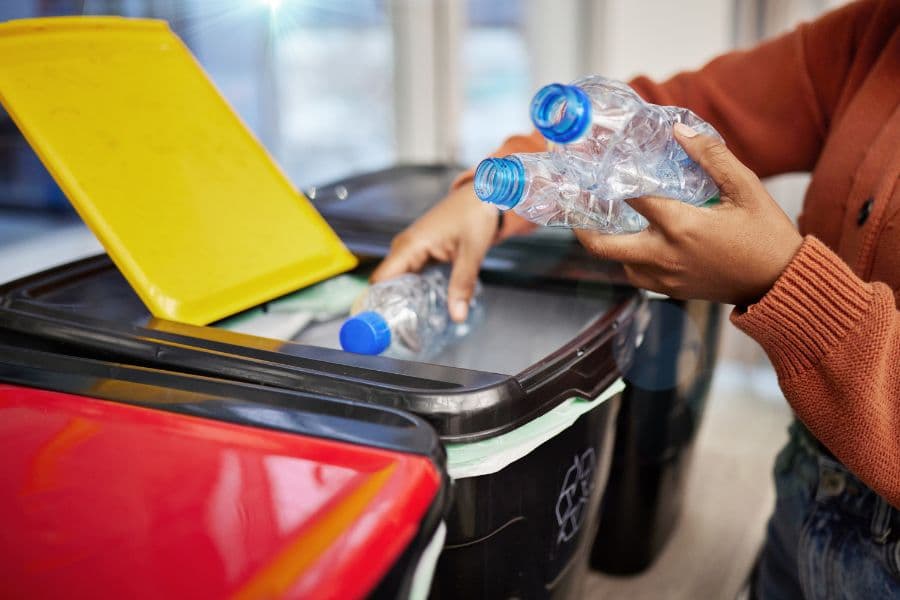
- Be mindful of what your community can accept by checking your local recycling guidelines regularly
- Keep batteries out of recycling bins; this includes products with built-in batteries, like vape pens and other electronics.
- Start backyard composting or support local compost programs
Organic material makes up about 30-40% of landfill waste. Start a backyard compost or connect with a local compost program or community garden to compost your organic waste. This waste diversion can make a real difference.
Dale says he’s cautiously optimistic about the future. We need to stop accusing the public of being lazy about recycling and not put the target on one segment of society (e.g., brands). It’s about education. When everyone has a clear vision of how recycling and waste diversion impact our environment, we can work together effectively towards building a circular economy.
About Dale Gubbels
Dale Gubbels is the founder and former CEO of First Star Recycling. A native Nebraskan, Dale began his career in journalism before consulting with packaging companies. His work took him inside recycling facilities, where he saw firsthand the gap between packaging design and recycling reality.
In 1997, he founded First Star Recycling to strengthen Nebraska’s recycling infrastructure. After stepping back from day-to-day operations, Dale remains deeply engaged in solving industry-wide challenges and advancing the circular economy.
About First Star Recycling
Founded in 1997, First Star Recycling is Nebraska’s first and largest mechanical Materials Recovery Facility. The company operates facilities in Omaha and Lincoln and employs more than 110 people.
Each year, First Star processes nearly 100,000 tons of recyclables from commercial and municipal customers across the region. Through its Solutions Plastic Lumber division, the company turns recovered plastics into durable products that support circular systems.
Listen to the Full Podcast Episode
Want to hear the full conversation with Dale? Listen to the full episode and subscribe to Packaging Simplified on Spotify, Apple Podcasts, Amazon, and iHeartRadio.
Follow us on social media to stay connected and informed. If you have any questions, topics you’d like us to cover, or feedback, we’d love to hear from you! Connect with us on Facebook, LinkedIn, Bluesky, and X (formerly known as Twitter). Or contact us through our website or send us an email.
Thank you, Dale and First Star Recycling, for this illuminating discussion! We look forward to continuing the conversation as recycling infrastructure, demand, and legislation continue to shape the future of sustainability in the packaging industry and beyond.
Listen to full episode hereRecommended Resources and Further Reading
Check out these resources for more info: