






Update (July 23, 2026): A federal judge has granted a preliminary injunction blocking California from enforcing SB 343 while a First Amendment challenge to the law proceeds. Enforcement is paused for now, but the case is ongoing — we’ll keep this page updated as it develops.
Recycling labels shape how people sort waste at home, at work, and on the go. For years, unclear or misleading claims have caused confusion about what actually gets recycled. California’s Senate Bill 343 (SB 343), also known as the Truth in Recycling law, addresses this problem head-on.
This law sets strict rules for when a package or product may claim to be recyclable in California, and affects brands, manufacturers, and packaging suppliers across industries.
If your company sells products or packaging in California, SB 343 should be on your radar.
What Is California Senate Bill 343
SB 343 is a California state law designed to reduce misleading recycling claims. The law limits when companies can use words, symbols, or labels that suggest a product or package is recyclable.
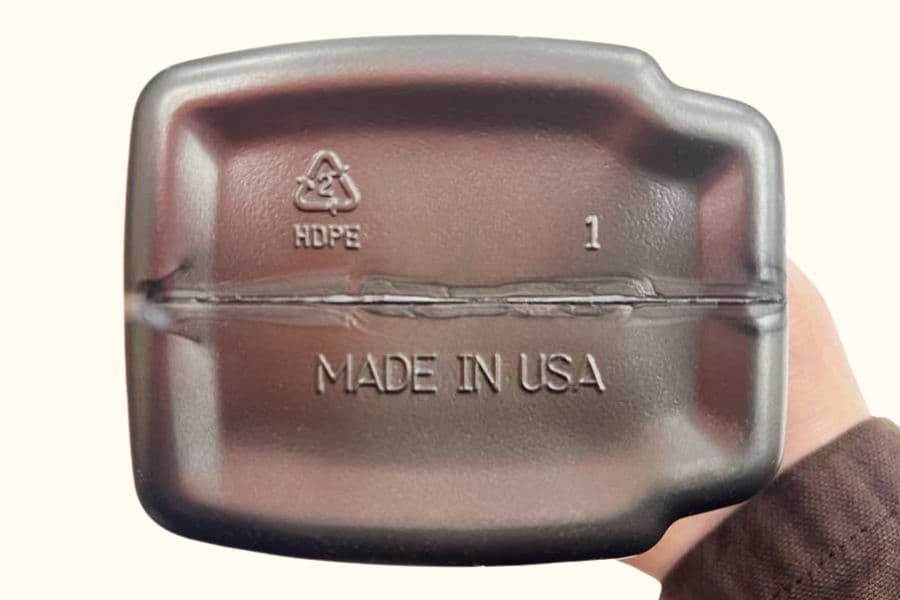
SB 343 is the first state law in the US to restrict the use of the chasing arrows symbol unless a product or package meets defined recyclability criteria. At the same time, more than 35 states require certain plastic packaging to display a resin identification code with the chasing arrows, creating potential conflict. Because of these overlapping rules, companies should evaluate their obligations carefully and seek legal guidance when needed.
Under SB 343, a product or package can only claim recyclability if it reflects real recycling conditions in California. The law focuses on what happens after disposal and whether recycling programs across the state actually collect, sort, and process the material at scale. Only materials that move through the recycling system successfully can carry recyclability claims.
Why California Passed SB 343
California legislators and regulators identified a growing gap between recycling labels and real-world outcomes. For example, many packages displayed the chasing arrows symbol or included messaging about recyclability, even though most recycling facilities could not process them.
SB 343 required California’s Department of Resources Recycling and Recovery, known as CalRecycle, to complete two major steps by January 1, 2024.
Step 1: Study of What Gets Recycled
CalRecycle commissioned a statewide analysis at materials recovery facilities (MRFs) in 2023 and 2024 to identify which materials are commonly collected, sorted, sold, or transferred for recycling in California. CalRecycle published its findings on April 4, 2025. SB 343 requires CalRecycle to revise the study in 2027 and every 5 years thereafter. CalRecycle also aims to continuously improve its methodology and approach to support a broad look at the recyclability of materials across the state.
Step 2: New Reporting Requirements
CalRecycle updated regulations to require material management facilities and operations to report regularly through CalRecycle’s Recycling and Disposal Reporting System. Reporting began in 2025 and covers:
- How materials are collected or processed in the state
- Which material types and forms facilities recover and don’t consider contaminants
SB 343 creates clearer expectations for consumers and stronger accountability for companies. It also supports California’s broader waste reduction and recycling goals by encouraging packaging designs that work within existing systems.
What Counts as a Recyclable Claim
While there are existing laws that make it illegal to use deceptive product labels, little information has been found that defines what constitutes accurate or deceptive recycling labels.
Under SB 343, that changes. Beginning later this year, recyclable claims on packaging must meet specific criteria.
A recyclable claim includes:
- Words such as “recyclable” or “recycled”
- Symbols like the chasing arrows
- Statements that imply recyclability through images or graphics
- Claims made on packaging, products, or related marketing materials
If a claim suggests that a product or package can go into a recycling bin, it falls under this law.
Labeling restrictions established by SB 343 apply to products and packaging manufactured after October 4, 2026 (18 months after publication of the Final Findings Report). Products and packaging manufactured before that date are not subject to the restrictions, regardless of when they are sold.
As of July 2026, enforcement of these restrictions is on hold. A federal court granted a preliminary injunction after a coalition of 21 industry organizations argued the law’s standards are unconstitutionally vague and violate free speech protections. The October 4, 2026 compliance date reflects the law as written, but it is not currently being enforced. See “Is SB 343 Being Enforced Right Now?” below.
Local jurisdictions and the California Attorney General can use information from the reports when filing civil suits and imposing monetary penalties against companies that fail to label their products accurately. Deceptive labeling is also subject to civil suits pursuant to the Business and Professions Code. However, this enforcement mechanism is currently paused under a federal court injunction (see below). After CalRecycle publishes each new study, manufacturers will have 18 months to ensure the updated information supports the use of the chasing arrows recycling symbol on their products.
“A person shall not offer for sale, sell, distribute, or import into the state any product or packaging for which a deceptive or misleading claim about the recyclability of the product or packaging is made.”
– California SB 343
The Recycling Rate Threshold
At the center of SB 343 is a clear standard: for most materials, at least 60% of California’s population must have access to recycling programs that collect and process them.
CalRecycle evaluates this access based on real data from recycling facilities and programs. If a material does not meet the threshold, companies cannot market it as recyclable in California.
This standard applies even if the material is technically recyclable in theory.
A material must also be sorted, sold, and made into new products. If recycling facilities routinely discard a material, it does not qualify.
APR and other industry organizations emphasize that true recyclability depends on the full system, not just consumer behavior. This approach helps push packaging design toward materials that succeed beyond the bin.
How SB 343 Affects Plastic Packaging
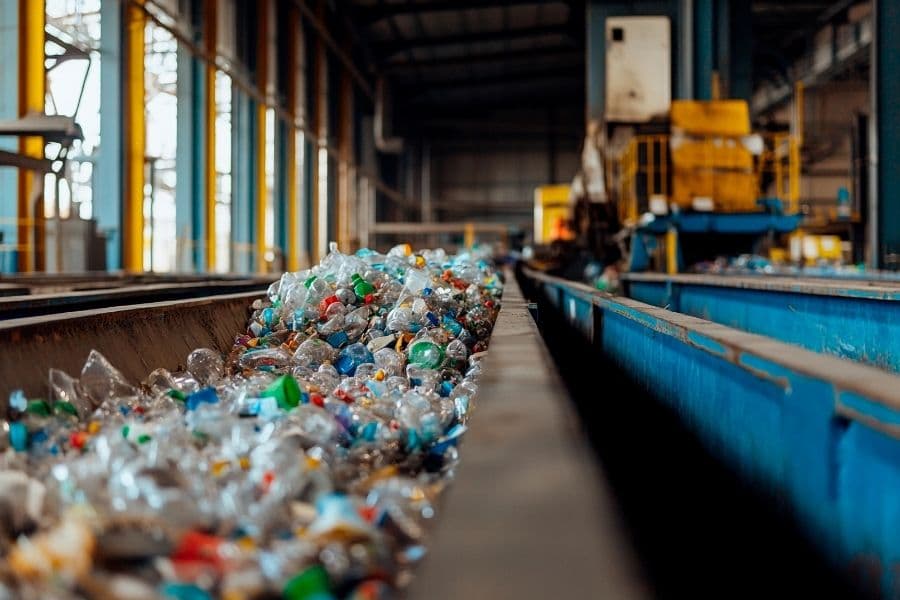
Plastic packaging receives special attention under this law. Many plastic formats face limited access to recycling infrastructure, even if recycling exists in certain regions.
APR guidance stresses the importance of using verified data and widely accepted recycling streams when making claims. Packaging that performs well in testing but fails at scale still may not qualify under SB 343.
This makes design choices, material selection, and labeling alignment more important than ever.
What Companies Should Do Next
SB 343 encourages companies to pause and look closely at how their packaging performs in the real world. As mentioned earlier, a recent court injunction has paused enforcement of SB 343, but the law itself hasn’t been struck down, and the case is ongoing. Companies that wait for a final resolution risk being caught unprepared if enforcement resumes.
Next steps include:
- Auditing existing packaging and marketing claims
- Aligning internal teams on approved language
- Staying current with CalRecycle recyclability determinations
- Engaging packaging experts early in design changes
Taking action now can reduce risk and build trust with customers who want clear, honest information.
Why Accurate Recycling Labels Matter
Clear recycling labels help people make better choices. They reduce contamination, improve recycling efficiency, and support stronger environmental outcomes.
SB 343 raises the bar for accuracy in California. Over time, it may also influence labeling practices beyond the state, especially for national and global brands.
For companies committed to responsible packaging, this law offers an opportunity to lead with transparency.
SB 343 Key Dates, Milestones, & Reporting Deadlines
| 2021 |
|
| 2022 |
|
| 2023 |
|
| 2024 |
|
| 2025 |
|
| 2026 |
|
| 2027 |
|
| 2032 |
|
Frequently Asked Questions About California SB 343
When does California SB 343 take effect for products and packaging?
The law’s rules were written to apply to items manufactured after October 4, 2026, 18 months after California released its recycling data report on April 4, 2025. However, a federal court granted a preliminary injunction in July 2026 blocking enforcement while a legal challenge to the law proceeds. Companies should continue tracking the case, since the injunction is preliminary and could be lifted.
What does “recyclable” mean under SB 343 in California?
Recycling programs must accept the material for at least 60 percent of the state’s population. Recycling facilities must sort and send the material into recycling streams at scale. The design must support recycling and avoid materials that interfere with the process.
Products may also qualify through alternate paths, such as:
- High recycling rates across the state
- Effective noncurbside collection programs
- Compliance with other approved recycling programs
What role does CalRecycle play in SB 343 compliance?
CalRecycle provides data and supports the overall system. CalRecycle does not approve or deny specific product labels. Companies must evaluate their own compliance.
- It studies what materials recycling facilities actually handle
- It publishes reports that show what gets collected, sorted, and processed
- It requires facilities to report how they manage materials
Can companies still use the chasing arrows recycling symbol under SB 343?
Companies can only use the chasing arrows symbol if the product meets SB 343 requirements. The responsibility for accurate labeling stays with the manufacturer.
- There is no automatic approval process
- Companies must review their packaging against the law’s criteria
- They must rely on data, including state reports, to support their claims
What is the 18-month compliance timeline for SB 343?
SB 343 includes a transition period tied to California’s recycling data report. Companies have 18 months after April 4, 2025, to prepare. That period ends on October 4, 2026. After that date, all newly manufactured products must follow the labeling rules.
Who enforces California SB 343 labeling requirements?
Local governments and the California Attorney General are responsible for enforcement and can issue penalties for misleading or unsupported claims, with additional legal action possible under consumer protection laws. As of July 2026, a federal court injunction has paused this enforcement while a coalition of industry groups challenges the law on First Amendment grounds. The underlying enforcement authority remains in place once — and if — the injunction is lifted.
Is SB 343 being enforced right now?
No. In July 2026, a federal judge granted a preliminary injunction blocking California from enforcing SB 343 after a coalition of 21 organizations argued the law’s labeling standards are unconstitutionally vague and restrict truthful speech in violation of the First Amendment. The court also found California hadn’t shown the law would meaningfully improve recycling rates or reduce consumer confusion.
This is a preliminary ruling, not a final decision. The underlying case is still being litigated, and enforcement could resume depending on the outcome. Companies should keep preparing for compliance rather than treat the injunction as a reason to stop.
What data should companies use to evaluate recyclability under SB 343?
Companies must take a data-driven approach. No single data source determines compliance, so companies should review all relevant information:
- Review California’s recycling studies and reports
- Look at facility data on what materials are accepted and processed
- Consider recognized industry standards when evaluating packaging design
How often does California update SB 343 recycling data and findings?
A new study is expected in 2027. Updates will follow every five years after that. Additional information may be released between major updates, and each update may impact how recyclability is evaluated.
How does SB 343 compare to California SB 54 packaging law?
These two laws serve different purposes. SB 54 uses SB 343 standards to define recyclability, but it does not control labeling rules.
- SB 343 focuses on labeling and when companies can claim recyclability
- SB 54 focuses on making certain packaging recyclable or compostable by 2032
What should brands and packaging companies do to prepare for SB 343?
Companies should take proactive steps now:
- Review current packaging and recycling claims
- Compare materials against California recycling data
- Update designs that do not meet requirements
- Strengthen documentation to support all claims
Early action helps reduce risk and keeps your business aligned with changing regulations.
Move Forward with Confidence in Your Packaging Strategy
SB 343 is changing how companies approach recycling claims and packaging design. But you do not have to navigate it alone. At Paramount Global, our team is ready to help. We work with you on everything from material selection and global product sourcing to packaging design, so you don’t have to figure it out alone.
We focus on practical solutions that reduce risk, strengthen compliance, and support your sustainability goals. As regulations continue to evolve, we stay focused on what matters most to help you make smart packaging decisions that hold up in the real world.
Ready to take the next step? Connect with our team today to discuss your packaging strategy and identify opportunities for improvement.
Looking for more info? Explore more insights and guidance:
- Packaging Simplified: Inside a Modern Recycling Facility with Dale Gubbels of First Star Recycling
- Packaging Simplified: Sustainable Packaging Design with APR’s Rebecca Mick
- California SB 54 Explained
- Recycling Infrastructure Challenges Under EPR
- How to Transition from Virgin to Recycled Plastics in Packaging
- Designing Plastic Packaging for Sustainability