






Is recycled plastic eco-friendly? This question is often asked by companies who want to keep using plastic packaging while also reducing their energy consumption. The truth is that recyclable plastic packaging can improve your environmental sustainability and drive your long-term business value. However, before making a long-term change, learn about the different types of plastics that align with your larger sustainability goals.
In this article, we’ll look at how sustainable packaging can help your business contribute to building a circular economy, all while supporting better practices, operational efficiency, and environmentally friendly alternatives to virgin plastics.
Is plastic packaging recyclable?
Not all plastics are created equal, and not all plastics have the ability to be recycled. Whether plastic packaging is recyclable depends on the type of material, the design of the packaging, and the recycling infrastructure availability of a given area. Figuring out plastic recycling can be confusing for the everyday consumer due to mixed messaging and varying regional recycling capabilities.
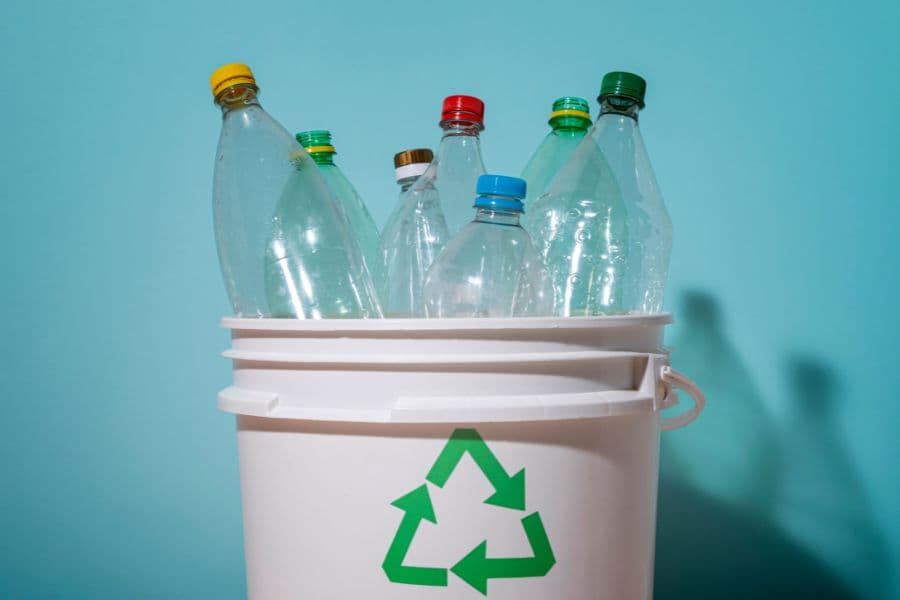
The chasing arrows and plastic resin codes on a container are often seen as recycling symbols, leading consumers to think they can toss a package into the recycling bin. The reality is a bit more complex. Businesses ought to explain proper recycling steps to customers, since the materials in their packaging determine how recyclable it really is.
Types of recyclable plastic materials
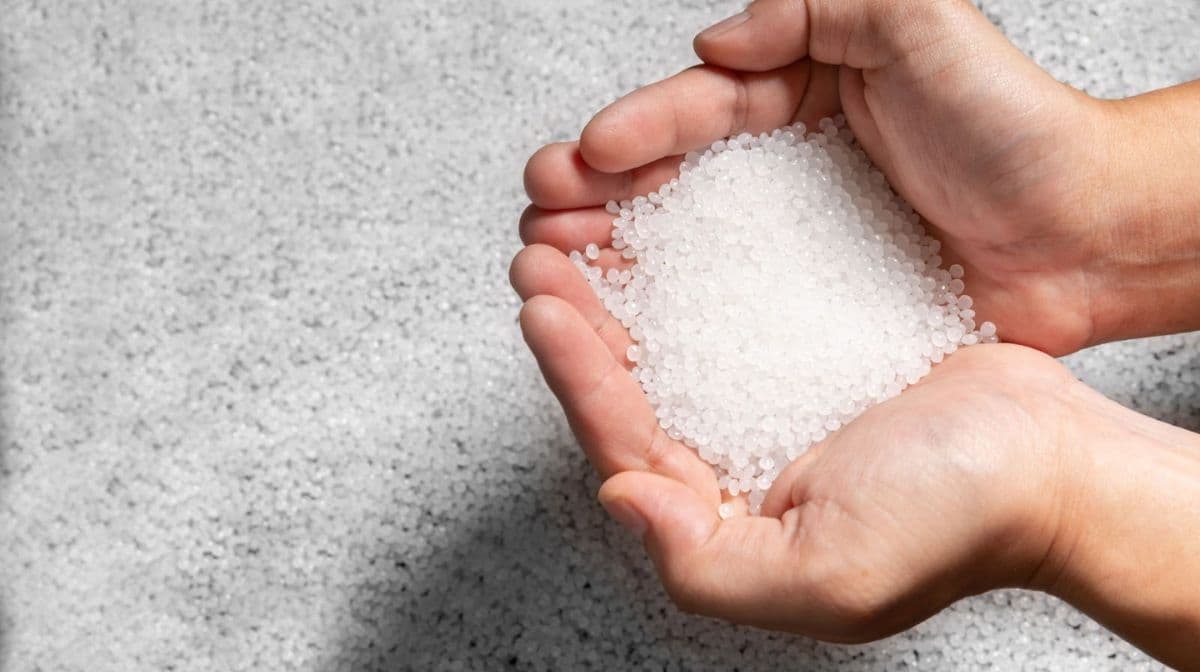
Common post-consumer recycled (PCR) plastic packaging include:
- PET (polyethylene terephthalate): Lightweight and durable, PET plastic is a versatile material that can be recycled multiple times. Brands can adjust PET’s properties for heat resistance, impact resistance, and aesthetics. From medical devices to soda and water bottles, PET is a highly recyclable material choice and considered an environmentally friendly plastic.
- HDPE (high-density polyethylene): Recyclers can process HDPE up to 10 times. Brands use it to package everything from pharmaceutical goods to personal care products to milk. While the plastic itself is lightweight, its molecular makeup is stable and dense. As a chemically-resistant plastic, it’s a good choice for packaging potentially hazardous products.
- LDPE (low-density polyethylene): LDPE can be manipulated for anything from tear resistance to transparency. Available in both rigid and flexible forms, this versatile material becomes a range of plastic products, from film to squeezable bottles. Rigid LDPE is easier to recycle than the flexible, soft versions such as cling wrap.
- PP (polypropylene): PP is usually used for caps and closures. Depending on the product, it can be optimized for moisture absorption or flexing strength. While it’s not a particularly easy plastic to recycle, new technology in the sector is making it easier to add PP recycling to the mix.
Environmental benefits of recyclable plastic packaging
The world produces around 430 million tons of plastic every year. This is exactly why biodegradable and recyclable plastic packaging are needed more than ever. Conventional plastics that miss the recycling process and end up in landfills are causing detrimental harm to our planet and human health. During the manufacturing process, the fewer raw materials companies use, the fewer greenhouse gas emissions they produce, and the more energy they can save. Reducing the ecological footprint should be top of mind for companies globally because the scale of the plastic waste problem is growing every year.
Maybe your sustainability goals include reducing your transportation footprint, boosting recycling quotas, lowering GHG emissions, or creating less waste. Using recyclable materials and renewable resources across your packaging supply chain is a step in the right direction. For example, choosing a lighter plastic will reduce your transportation loads, which can help save fossil fuels. While some of these changes may seem incremental, you might be shocked at how it all adds up.
Reducing plastic waste in landfills and oceans
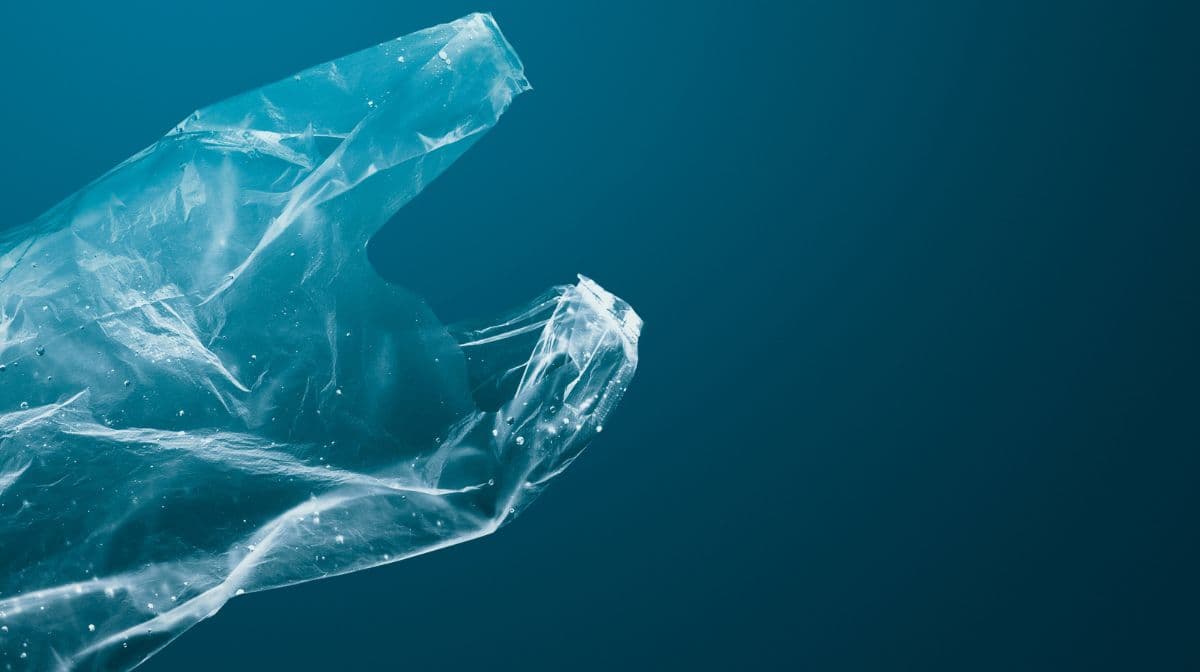
Plastic waste is detrimental to all organic material, including wildlife and humans. The more contamination in our landfills and oceans, the more we start to see wide-scale damage. Ocean-bound plastic is a major problem that drives plastic waste directly into our oceans and waterways, threatening marine life on a large scale.
With recyclable plastic packaging, you can reduce waste and pollution, helping you reach larger eco-friendly targets. The best part is that today’s technology makes it possible to recycle traditional plastics into new products across industries diverting them from the landfill.
Lowering carbon emissions
While it does take energy to recycle plastic, it takes up to 88% less energy than creating new plastic. If you’re looking to reduce your carbon emissions, this one switch can quickly add up over the course of your fiscal year. Choosing recycled materials can significantly reduce your carbon footprint over time, though the type of plastic and the recycling method matter greatly. Ultimately, you need customers to comply with recycling guidelines before you can complete the cycle.
Conserving natural resources
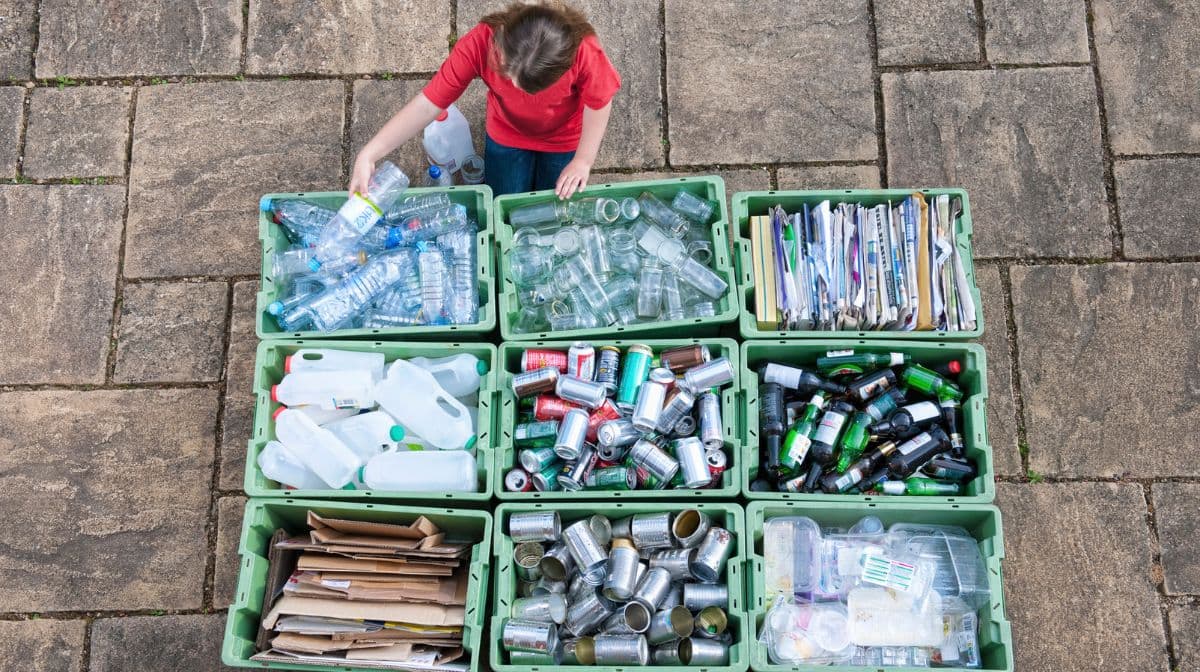
Better waste management starts with understanding where and how resources are consumed and how to prevent waste before it happens. Since 99% of all plastic consists of fossil fuels (oil and gas), recyclable plastic helps companies make better use of finite resources. Creating new plastic eats into an ever-decreasing fuel supply. While manufacturing new plastics and disposing of old ones contribute to global warming and accelerated natural resource depletion.
Types of recyclable plastic containers
With an array of plastic containers available to businesses, you’re making choices based on everything from price point to branding personality to compliance requirements.
There are two ways to create post-consumer recycled resin. From a business standpoint, deciding if mechanical recycling or chemical recycling is the best option for your product packaging is a good place to start. Several factors shape this decision, depending on what you want your finished packaging to look like. Let’s take a look at the different types of recyclable containers.
Recyclable Plastic Bottles
Plastic bottles, such as the Boston Round are available in an array of plastic types. Whether you’re packaging lab supplies or beverages, here are a few things to know about them:
- PET: Resin code number 1. PET is one of the most common materials in the world. It’s eco-friendly food packaging that can be recycled into fabric used for clothing, blankets, carpets, and more or turned into material for new packaging.
- HDPE: Resin code number 2. HDPE is often recycled into furniture, building materials, or bottles. Recycled HDPE is a great option if you need a strong or opaque container to protect against light or impact.
- LDPE: Resin code number 4. LDPE comes in both rigid and flexible forms. As mentioned before, the rigid form is easier to recycle than the flexible form. Recycled LDPE is used to create garbage bags, liners, films, floor tiles, shrink wrap, pallet wrap, furniture, paneling, lumber, and flame-retardant products.
The ease of recycling standard bottles ultimately depends on where people live, particularly when LDPE may require additional steps for the consumer (like driving to a recycling center). The good news is that many areas offer curbside recycling for PET and HDPE. Additionally, many big-box retailers collect flexible LDPE products (like single-use plastic bags), making it easier to recycle these items.
Recyclable plastic jars
HDPE and PET are both accepted by most recycling programs, making them convenient options for consumers. Technology has made recycling nearly all plastics more accessible, helping to overcome sustainable packaging challenges. It’s worth researching different programs to see how their climate goals align with yours.
Recyclable plastic tubes
Recyclable plastic tubes are often made from medium-density polyethylene, or MDPE. MDPE is resin code #2, the same as HDPE. Both types of polyethylene are highly resistant to toxic chemicals, though HDPE is more durable than MDPE. Recycled MDPE is used to make packaging, pipes, shopping bags, toys, picnic tables, storage bins, playhouses, and dog houses.
Choosing the right recyclable plastic container
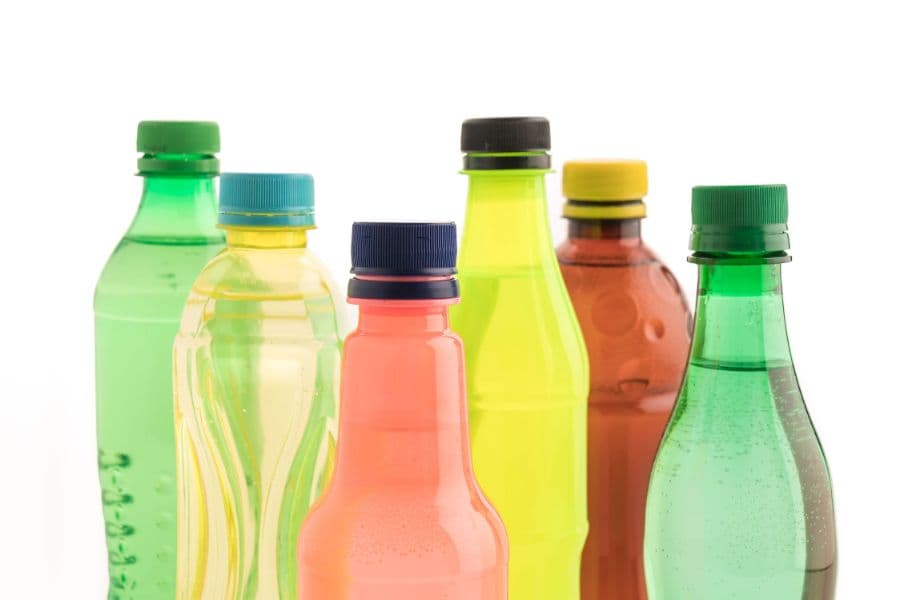
With recyclability as the ultimate goal, it’s important to remember that using recycled material in your packaging does not mean that your finished product is recyclable.
Many companies use at least 25% post-consumer recycled material in their packaging, but then develop packaging that’s harder to recycle. For example, dyeing PCR a dark color makes the new package difficult to recycle. Recycling streams have limited ability when it comes to identifying dark-colored containers. Luckily, new technologies such as NIR-sorting are working to reduce this type of waste, but they are not yet widely available. These issues are often ignored but need to be considered as we face very real problems due to plastic waste.
Choosing the right recyclable plastic container can be tricky, particularly if you’re trying to balance sustainability with price and safety. Below, we’ll look at what to consider before making the switch.
Assessing material compatibility for product integrity
Your product’s integrity and customer safety should be at the core of the equation. After all, one contaminated unit can spoil an entire batch. A recall that harms consumers can cause massive backlash for your brand.
Whether you’re selling food or sunscreen, your customers should trust that you haven’t compromised their well-being for your bottom line.
Evaluating recyclability and environmental impact
The most difficult question you need to ask is: how much effort do you want your customers to expend to recycle your product? It’s also helpful to understand the differences between recyclability and sustainability in packaging. If you ask too much, like driving across town to recycle the packaging, the customer may start to see your product as just another chore. Ideally, pick the easiest recycling method for the largest group of people. That maximizes your environmental impact without alienating customers.
Matching container design to product functionality and brand appeal
From color to shape to feel, your customers have come to expect certain things from your product. Making a change, even for the sake of the environment, can negatively influence your customers’ perception or product performance. For example, switching to a plastic that feels thinner than your previous version may lead customers to assume you compromised on quality — even if that isn’t true.
Weigh how the change will affect perception before you make a major packaging transition. Then consider a marketing effort that explains the change and its positive environmental impact.
Making the switch to sustainable plastic packaging
Recyclable plastic packaging hits several key components of moving in the direction of sustainability, including reducing waste, reusing materials, and cutting back on fossil fuel usage. However, making a large change like this can have unintended consequences and needs to be done in a thoughtfully considered way.
If you’re ready for more sustainable solutions and you have questions about the best next steps for your company, Paramount Global is here to help you move forward. Call us to speak to a specialist today!