










Recycling Infrastructure Challenges Under EPR
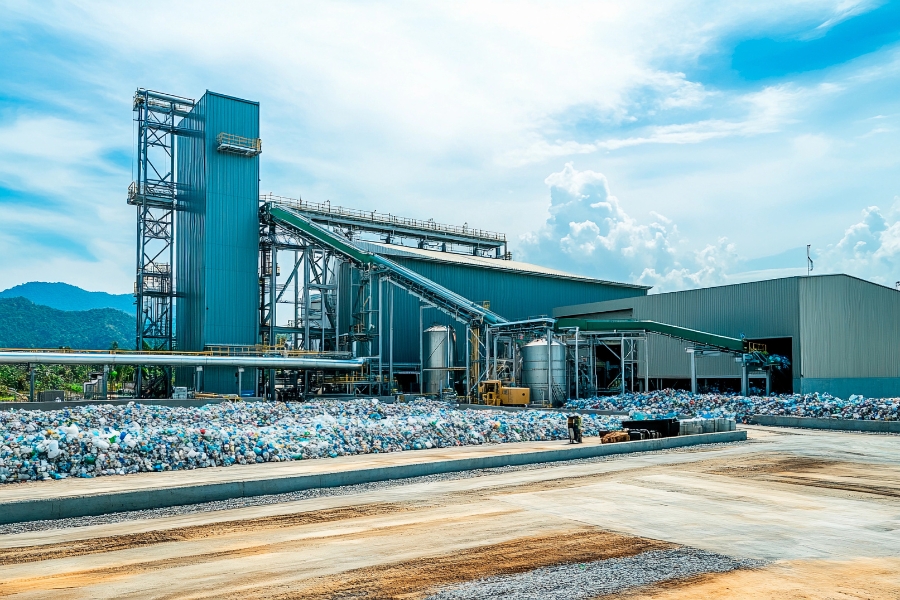
Extended Producer Responsibility, or EPR, laws promise better recycling outcomes. They push packaging waste management upstream to the brands that bring products to market. The goal is clear: improve recycling rates and reduce waste.
The pressure is also real. Many states now require higher recycled content and new reporting rules. Yet the biggest obstacle is the lack of modern, scalable recycling infrastructure.
Because U.S. recycling systems are mostly privatized, laws alone cannot create new capacity. This gap shapes how quickly EPR can truly succeed.
The Promise and Pressure of EPR
EPR laws are designed to change how packaging waste is managed. They shift responsibility from municipalities to producers. In theory, this drives better design, funding, and accountability.
In practice, EPR introduces new costs and timelines. It also exposes long-standing weaknesses in recycling infrastructure.
What Is Extended Producer Responsibility? |
|
| See also: What is Extended Producer Responsibility and CA SB-54 Explained |
What Do EPR Laws Require Today?
Seven U.S. states have already passed EPR laws: California, Oregon, Colorado, Maine, Maryland, Minnesota, and Washington. In addition, Wisconsin and New Hampshire introduced new EPR packaging bills in 2026.
While details vary, most laws require brands to:
- Register with producer responsibility organizations
- Report packaging volumes and materials
- Pay fees based on recyclability and material type
- Increase post-consumer recycled content over time
EPR shifts financial and operational responsibility to brand owners. Compliance now sits squarely within packaging and supply chain teams.
Why Is Recycling Infrastructure the Limiting Factor? |
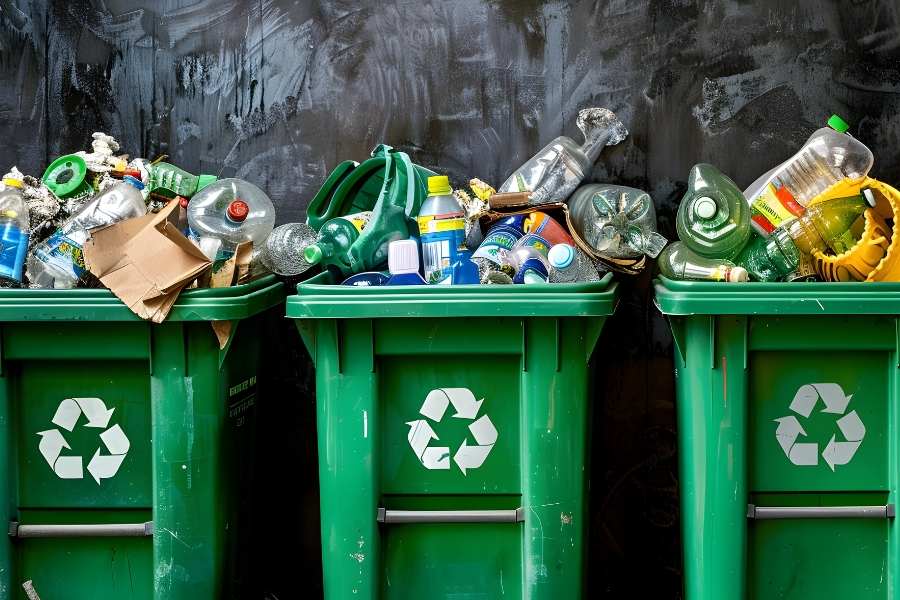
| Recycling infrastructure is the backbone of EPR success, but it’s also the weakest link. Recycling plays a major role in the U.S. economy because it supports jobs and generates tax revenue. According to the Recycling Economic Information Report, recycling and reuse work across the country supports about 681,000 jobs in a single year. These jobs generate $37.8 billion in wages and $5.5 billion in tax revenue. On average, every 1,000 tons of recycled material supports about 1.17 jobs, provides roughly $65,000 in wages, and brings in about $9,420 in tax revenue. |
Why Is Recycling Infrastructure a Challenge for EPR?
Recycling infrastructure is largely privately owned and unevenly distributed across regions. Legislation cannot speed up facility upgrades, and many areas still lack advanced sorting and reprocessing. This limits access to high-quality post-consumer recycled material, or PCR, and slows compliance timelines.
Key constraints include:
- Aging material recovery facilities
- Limited access to advanced sorting technology
- Few domestic reprocessing facilities for certain materials
- Regional differences in accepted materials
Infrastructure expansion takes years, not months. Because laws move faster than capital investment, there is a disconnect between what is required and what is possible.
The Disconnect Between Mandates and Capacity
Many EPR laws require higher levels of post-consumer recycled content than is currently available. This creates a paradox with no easy fix.
The Recycled Content Paradox
- Laws require more PCR in packaging.
- Current recycling infrastructure limits the supply of PCR.
- High-quality PCR material is becoming harder to find and more expensive.
Brands are competing for the same limited materials. As a result, prices go up, lead times get longer, and the supply becomes less stable.
Why This Is Not a Failure of Intent
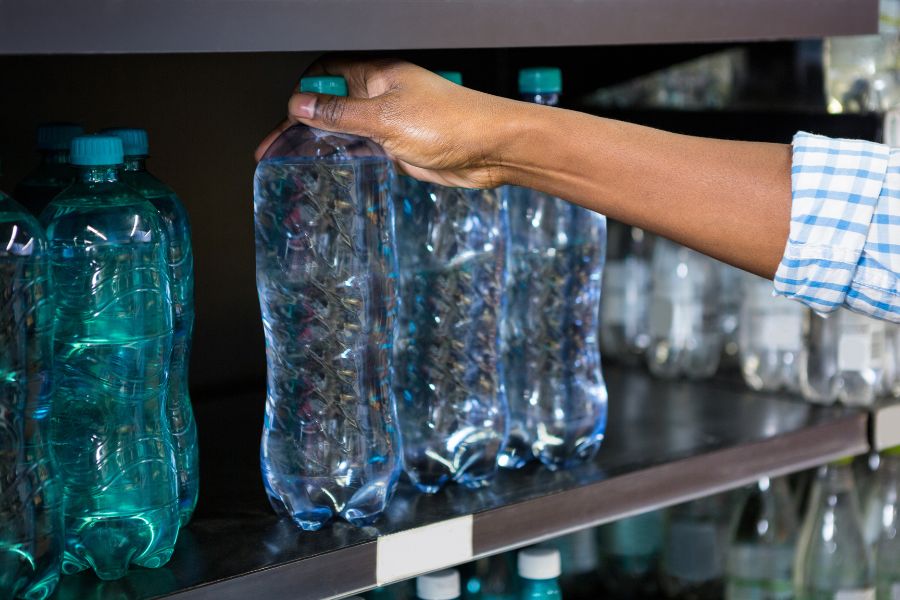
EPR laws strive to mitigate environmental damage from packaging waste, much of which comes from single-use packaging. These laws aim to reduce waste by mandating recycling and tiered PCR percentage targets. The challenge, however, is timing.
- Infrastructure projects require long planning cycles.
- Many EPR laws have already taken effect.
- Getting permits and funding can take several years.
- Adopting new technology happens slowly.
EPR is about making long-term changes to the system. It will not solve problems right away, and early challenges do not mean the policy is failing.
Practical Implications for Brands and Supply Chains
Brand owners need to work with the recycling systems we have now. Waiting for perfect infrastructure is not an option.
Here are some practical steps to consider:
- Check whether your packaging is compatible with current recycling capabilities.
- Remember that not all materials are recycled the same way across regions.
- Talk to your suppliers early about PCR availability and lead times.
- Keep a close eye on recycling rules in each state.
- Ensure your packaging and sourcing plans can adapt to changing rules and expectations.
Staying aware of these systems helps you avoid unexpected costs and risks.
The Role of Collaboration
No single company can solve recycling infrastructure gaps alone. Progress depends on collaboration.
Collaboration can look like:
- Forming industry partnerships to combine demand.
- Getting recyclers and material suppliers involved early.
- Sharing data openly throughout the supply chain.
- Setting realistic timelines instead of aiming for short-term perfection.
When companies share data, everyone can make better investment choices.
What Recycling Infrastructure Challenges Under EPR Mean |
|
EPR laws are designed to make recycling more effective. However, limited recycling infrastructure is the main challenge. Private systems need time to grow, which limits the supply of PCR and increases costs. EPR is not failing; it’s evolving. Achieving success takes time, investment, and coordination across the entire value chain. |
Moving Forward
Brands can take action now by using packaging that fits today’s recycling systems. Planning ahead is important, as is being flexible. Supply chain leaders should start planning now and find a balance between regulations and real-world needs. Brands that do both will be ready for EPR laws.
Paramount Global has been a trusted packaging supplier since 1975. For 50 years, we have helped organizations succeed by delivering integrated solutions tailored to their needs.
Having the right partner makes your sustainability journey easier. Our experts can help with everything from global sourcing to packaging design and inventory management.
Contact us today to find packaging solutions that fit your business and support a sustainable future.
Not ready to make a move? Learn more about packaging sustainability:
- How to Transition from Virgin to Recycled Plastics in Packaging
- Designing Plastic Packaging for Sustainability
- Can Recycled Plastic Be Used in Food Packaging?
- How Recycled Plastic Packaging Aligns With Sustainability Goals
- NIR Plastic Sorting & Its Impact on Packaging
- Mechanical vs Chemical Post Consumer Recycled Resin
🎧 Listen to the Podcast – For more on packaging sustainability, tune in to Packaging Simplified on iHeartRadio or wherever you listen.


Hayley is a marketing professional and copywriter with a background in crafting content for a diverse range of industries. She has been writing about packaging and supply chain logistics for Paramount Global since 2022. She specializes in explaining complex topics in a clear and engaging way and is an advocate for sustainability in packaging and supply chain management.
Read More




For over forty years, Paramount has been delivering perfectly integrated packaging and supply chain solutions.