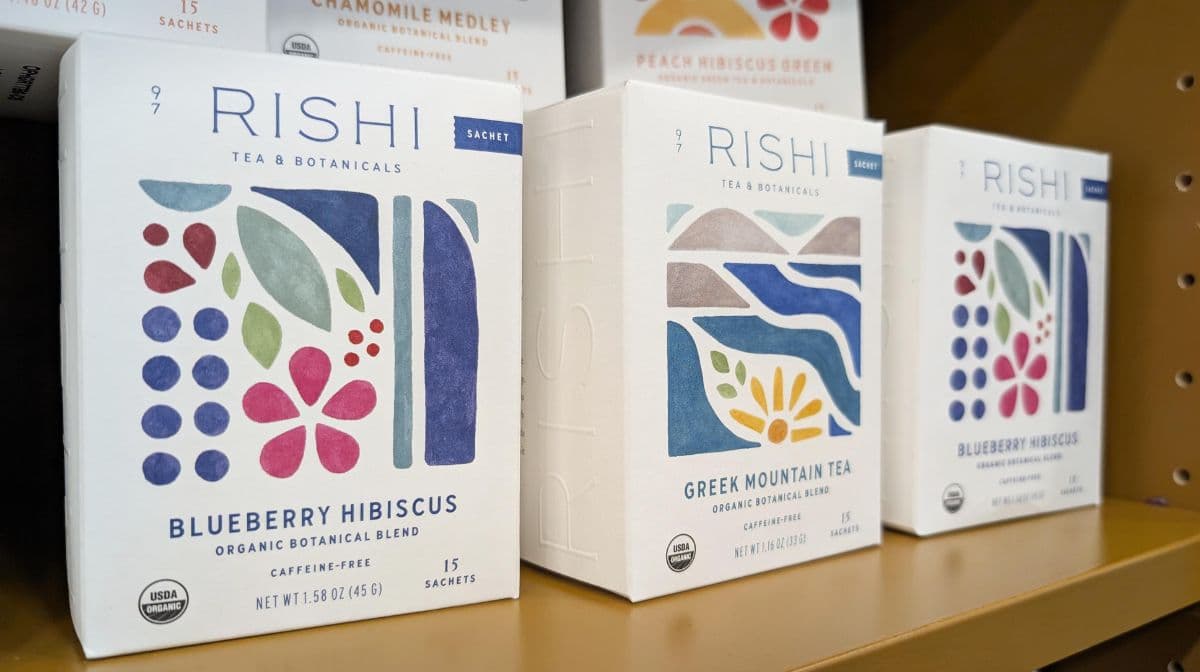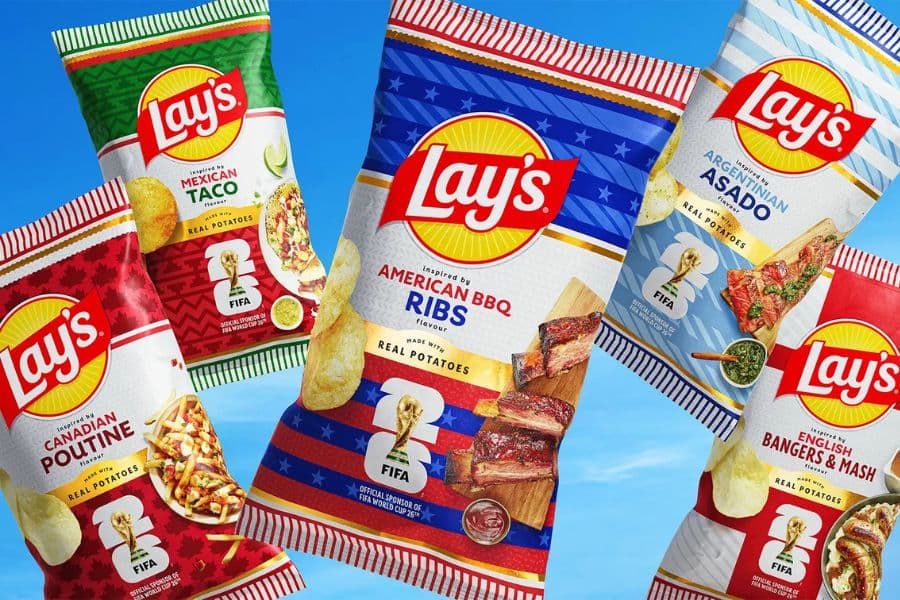







Retail food packaging involves a mix of cost decisions, quality standards, and brand identity working together. Get the details right, and you save money, cut waste, and build trust with consumers who care about what their food comes in.
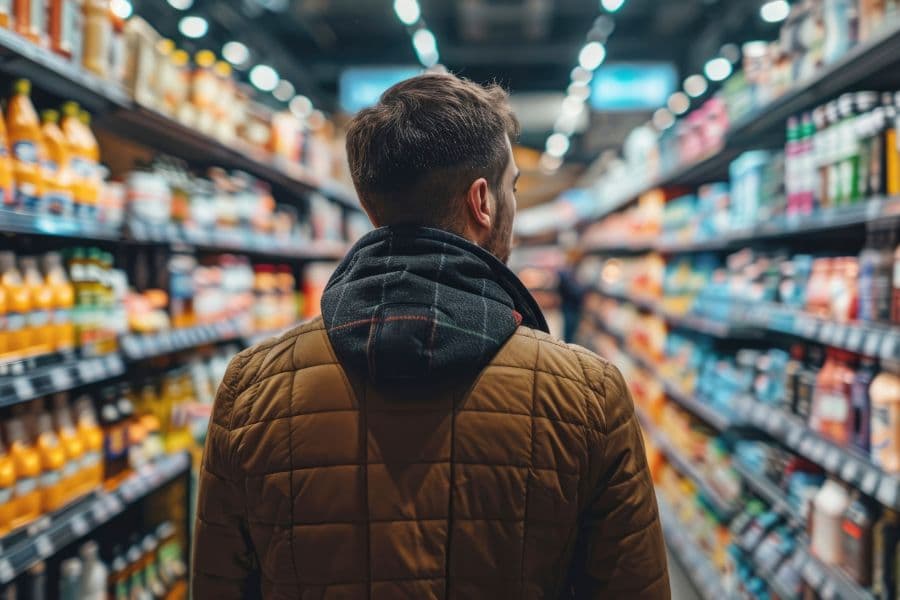
This guide covers the packaging choices that matter most for retail items. You will find real strategies for cost control, supply chain planning, inventory, sustainability, bulk ordering, storage, quality control, and shipping. If you have ever wondered how to package food for retail in a way that works for your budget, your rules, and your customers, this guide breaks it down step by step.
Addressing Cost Optimization in Retail Food Packaging
Budget pressure never goes away in retail. Packaging is often the first thing a team tries to cut. That instinct makes sense, but cutting corners on food packaging supplies can backfire. Thin materials that tear, or containers that fail to protect products, lead to returns and waste. Unhappy customers and poor brand reputation will cost you more than the packaging itself ever would.
A smarter move is to look at the full cost, not just the price tag. A higher upfront cost for durable, well-made packaging often pays for itself. You get fewer damaged shipments and a stronger brand image in return. Work with a supplier who knows your product line and your full range of food supplies. This helps you find the right balance between low cost and high quality, so your packaging protects your margins and your name at the same time.
Integrating With Your Supply Chain for Better Packaging Outcomes
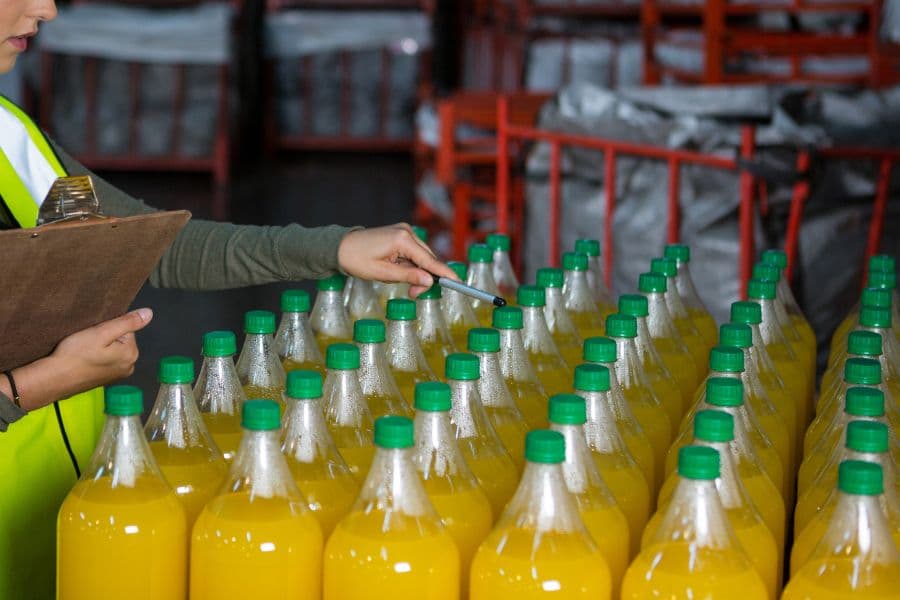
Packaging works best when it’s part of your plan from day one, not an afterthought. When your packaging strategy connects to the rest of your supply chain, you cut lead times. You also improve ordering and avoid the mistakes that come from juggling too many vendors.
Start by mapping how packaging moves through your business, from ordering to receiving to the shelf. Look for steps where one steady supplier could replace a mix of separate vendors. Bringing your food packaging solutions under fewer, more reliable partners makes daily work simpler. It also frees up your team to focus on growth instead of tackling supply chain issues and chasing down vendors.
Inventory Management Solutions for Packaging Materials
Every retail team knows the stress of running low on packaging just as demand picks up. Too much stock wastes space and ties up cash. Too little stock risks rush orders and lost sales. Finding the right balance takes planning and foresight.
Data-based forecasting is the best way to get this right. Track how much you use by season, product line, and sale event. This helps you identify needs before they turn into emergencies. Good forecasting, paired with clear reorder points, cuts down on rush order fees. It also gives your team confidence that your packaging supplies will be ready when needed.
Meeting Sustainability Standards and Building Customer Trust
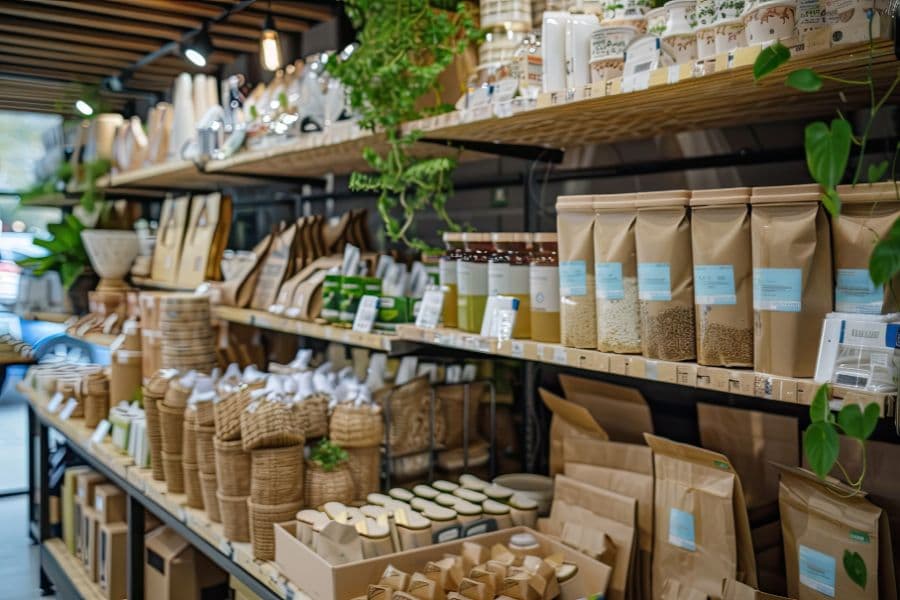
Shoppers increasingly choose brands that match their values, and packaging sends one of the clearest signals about where a company’s values lie. Meeting sustainability rules does not have to mean paying more. Businesses that plan ahead can lower their environmental impact while keeping costs steady.
Start with materials that are recyclable, compostable, or made from recycled content. Choose suppliers who can back up their claims with real proof. Businesses that make this change often see stronger customer loyalty and better shelf appeal, since sustainable food packaging shows consumers your brand takes their concerns seriously.
Leveraging Volume Pricing and Bulk Ordering Tactics
Ordering in bulk is one of the fastest ways to lower your cost per unit. Buying large amounts can feel risky, especially when demand shifts. The key is to pair bulk orders with solid usage data, so your choices rest on facts instead of guesswork.
Review your past order amounts and work with suppliers who offer flexible terms for wholesale food packaging. Negotiate pricing based on real numbers, and leave room to adjust as your needs change. Also look at your product lines and the packaging used. Could you consolidate your packaging so that you’re using the same type for multiple products and differentiate products by label? When you plan bulk food packaging with clear data, you gain real savings without the stress of overcommitting.
Storage and Handling Requirements for Quality Preservation
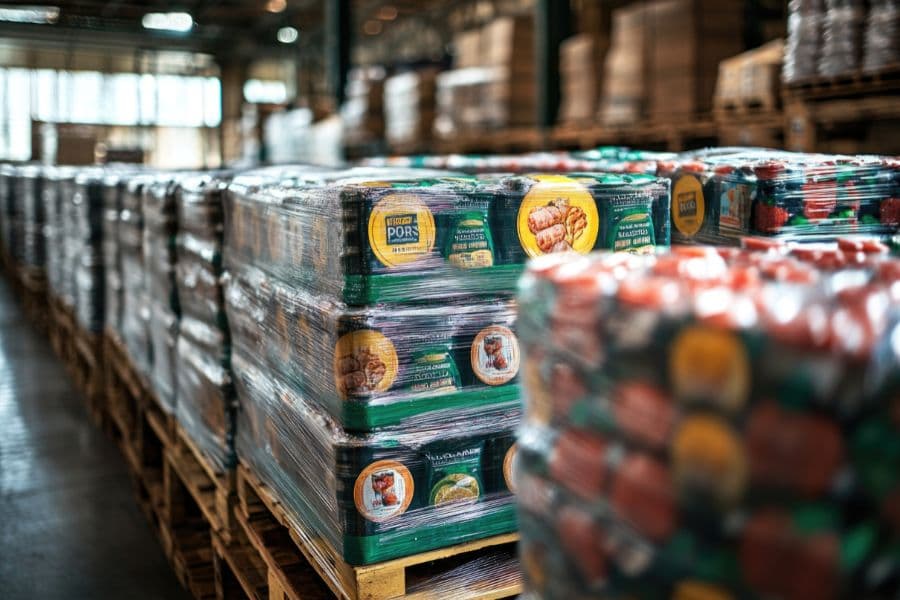
Packaging materials need protection too. Poor storage can damage and spoil products, leading to product waste and frustrated teams.
Store food packaging containers and materials in a cool, dry space away from direct sunlight. Follow a first-in, first-out rule to keep materials fresh. Standards from the FDA, USDA, and ISO offer useful guidelines for safe storage and handling. Following them gives your team and your customers assurance in the safety of every product that reaches the shelf.
Implementing Quality Control Measures and Expert Trust Signals
Few things hurt a retail brand faster than a product recall or a wave of complaints tied to bad packaging. Building a solid quality control process is one of the best ways to protect your brand and your bottom line.
Good quality control includes lot tracking, regular checks, and written records that catch problems before they reach customers. Retailers who use rigid food packaging and consistent inspection routines report fewer returns and stronger customer loyalty over time. A solid process does more than stop problems. It tells retailers and shoppers that your brand takes product safety seriously. Follow our guide to create your own Quality Control Checklist.
Transportation Considerations to Protect Perishable Products
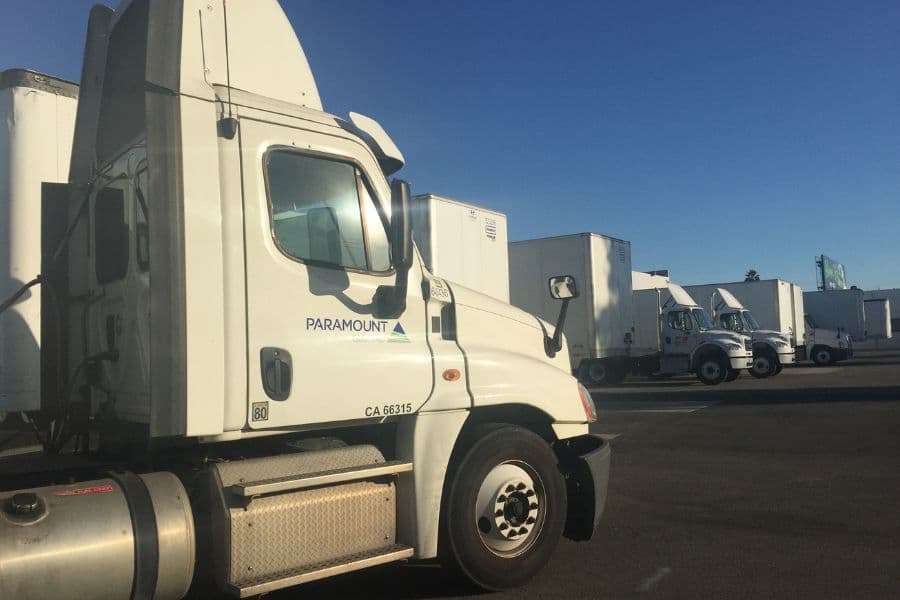
Even great packaging can fail if shipping conditions work against it. Delays, temperature swings, and rough handling put perishable goods at risk. That damage often shows up later as returns and lost trust.
Choose packaging built to survive shipping. Look for materials that hold up under pressure and keep a steady temperature for items like sauce and condiment packaging and beverage packaging. Businesses that plan for shipping conditions ahead of time see fewer damaged shipments and happier customers, since products arrive in the same shape they left the facility.
Partner with Paramount Global for Your Retail Packaging Solutions
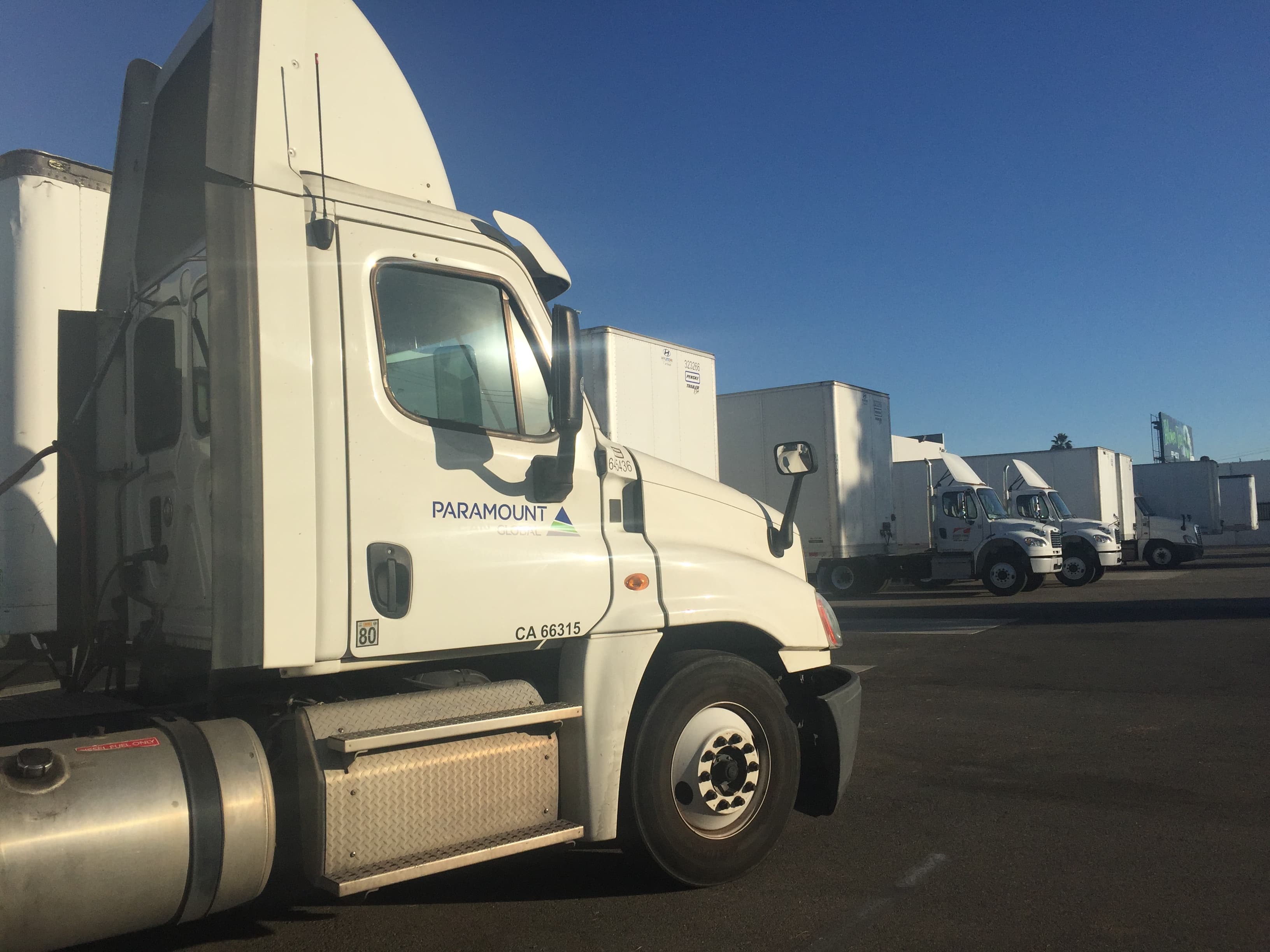
Choosing the right retail packaging strategy takes more than good instincts. It takes a partner who understands cost, sustainability, and supply chain planning from every angle. Paramount Global brings that expertise to retail businesses of all sizes, helping teams turn packaging from a basic expense into a real advantage.
Our team works directly with businesses to design custom packaging or stock solutions that fit your specific product lines. We pair this with dependable supply chain management systems and volume pricing that make bulk ordering simple and low-risk.
Whether you are fine-tuning an existing strategy or building one from scratch, Paramount Global is ready to help. We take the time to understand your supply chain and recommend solutions that fit your goals and your budget, so you can move forward with confidence.
Ready to see what the right packaging strategy can do for your business? Schedule your free packaging consultation today by contacting us here.
More Articles Like This: