







Sustainable packaging is no longer optional — it’s becoming the industry standard. The global sustainable packaging market is projected to reach $448.5 billion by 2030, growing at a 7.6% CAGR. This shift is driven by consumer demand, with 72% of shoppers willing to pay more for eco-friendly packaging.
In this guide, you’ll learn what sustainable packaging means and why it matters for your business. We’ll break down key benefits, practical strategies, and the latest trends shaping the future of packaging. By the end, you’ll have the knowledge to make informed, sustainable choices that align with your brand and customer expectations.
Table of Contents
- What is Sustainable Packaging?
- Why is Sustainability in Packaging Important?
- Benefits of Sustainable Packaging
- Common Types of Sustainable Packaging
- What Materials Are Considered Sustainable?
- Challenges Companies Face Around Sustainable Packaging Adoption
- Best Practices for Implementing a Sustainable Packaging Solution
- Reduce Your Carbon Footprint and Packaging Waste Today
What is Sustainable Packaging?

Sustainable packaging uses renewable or recyclable materials to reduce environmental impact while protecting products. It focuses on minimizing waste and conserving resources throughout the packaging lifecycle.
The Sustainable Packaging Coalition (SPC) provides tools and guidance to help businesses adopt eco-friendly packaging solutions. Companies increasingly choose sustainable packaging materials like recycled paper, bioplastics, and compostable options to meet consumer expectations and regulatory requirements.
This shift matters because 40% of global plastic waste comes from packaging. By using sustainable materials and designs, businesses reduce landfill waste and carbon emissions while improving brand reputation and paving the way for a more environmentally conscious future.
Why is Sustainability in Packaging Important?
The uncomfortable truth is that packaging waste is a growing environmental problem, and current infrastructure cannot fully manage its impact. Businesses and consumers alike must act now to help mitigate this problem.
Global packaging production is projected to reach 1.4 trillion dollars by 2028, according to a 2023 Smithers report. This surge, combined with stricter global regulations, increases pressure on companies to adopt sustainable packaging materials and minimize waste.
Consumers are also driving change. 70% of shoppers choose products based on sustainable packaging, and 43% are willing to pay more for eco-friendly packaging. Meeting these expectations is essential for brand loyalty and growth.
Additionally, regulations are tightening worldwide. Extended Producer Responsibility (EPR) laws require suppliers to manage packaging waste and fund recycling programs. In the U.S., states like California, Colorado, Oregon, Maine, and Minnesota have passed EPR laws, with more states considering similar measures. These laws shift responsibility from municipalities to producers, incentivizing recyclable and compostable packaging.
California’s Senate Bill 54 (SB 54) mandates a 25% reduction in single-use plastic packaging and requires all single-use packaging to be recyclable or compostable by 2032. Businesses must register with a Producer Responsibility Organization and report packaging data starting in 2025.
By transitioning to sustainable packaging materials like recycled paper, bioplastics, and compostable options, companies can stay compliant, meet consumer expectations, and reduce their environmental impact.
Benefits of Sustainable Packaging
Incorporating sustainable packaging yields significant benefits for both the environment and your company. It strengthens brand reputation and meets growing consumer and regulatory demands. It can also open up more market opportunities by allowing you to sell in markets with strict packaging regulations.
Environmental Benefits
Sustainable packaging reduces waste and lowers carbon emissions by replacing single-use plastics with recyclable or renewable materials. This approach helps conserve resources and minimize environmental impact.
For example, Nestlé reduced its virgin plastic packaging by 21.3% as of year-end 2024, and is on track to cut one-third by 2025. These efforts also include designing packaging for recycling and piloting reusable and refillable systems worldwide.
By adopting sustainable packaging materials like recycled paper, bioplastics, and compostable options, businesses can protect ecosystems and meet global sustainability goals.
Economic Benefits
Sustainable packaging can lower costs and boost profits. Bain & Co. reports that companies can increase EBITDA by 4–6% through sustainable packaging strategies, driven by material savings and efficiency gains. EBITDA, which stands for Earnings Before Interest, Taxes, Depreciation, and Amortisation, is a standard of measurement used by banks to evaluate a business’s performance.
Embracing sustainable packaging practices can offer your business several financial benefits in addition to being environmentally responsible. By reducing the amount of materials used in product packaging and implementing efficient packaging processes, businesses can lower their overall packaging costs, optimize storage space, and reduce shipping and freight costs. These practices can also improve overall logistics efficiency, leading to further cost savings.
Social Benefits
Consumers reward brands that prioritize sustainability. Today, 90% of shoppers said they are more likely to buy from brands with eco-friendly packaging, according to Shorr’s 2025 Sustainable Packaging Consumer Report.
This trend spans generations, with Millennials and Gen Z leading the shift. Brands that embrace sustainable packaging strengthen trust and align with consumer values.
Social responsibility also extends to transparency. Companies that make the switch to eco-friendly packaging often report improved corporate image and stronger community engagement. These benefits make sustainability a strategic advantage, not just an ethical choice.
Business Advantages
Prioritizing sustainability is more than an ethical choice; it is a smart business strategy that protects the environment and strengthens your brand.
For example, Patagonia uses packaging made from recycled and certified materials, including 100% recycled corrugated cardboard and kraft paper with up to 90% post-consumer waste. These eco-conscious choices align with Patagonia’s values, attract like-minded customers, and build loyalty through shared environmental commitments. By reducing unnecessary packaging and promoting recyclability, Patagonia reinforces its leadership in responsible retail practices.
Sustainable packaging is a strategic decision that improves reputation and profitability. Businesses that commit to sustainability attract and retain environmentally conscious customers. These customers often become loyal advocates, driving sales and revenue growth. Companies that act now position themselves for long-term success in a market that increasingly values environmental responsibility.
Common Types of Sustainable Packaging

Choosing the right sustainable packaging materials is essential for reducing environmental impact. Businesses have several eco-friendly options to consider. Below are common types of sustainable packaging options and how they can benefit your operations.
Biodegradable Packaging
Biodegradable packaging breaks down naturally over time, reducing waste and pollution. These materials decompose faster than petroleum-based plastics, making them a more sustainable choice.
It’s important to know that not all biodegradable packaging is compostable, but all compostable packaging is biodegradable. Businesses often use biodegradable films and bags for short-term packaging needs.
Compostable Packaging
Compostable packaging is made from natural fibers like paper, hemp, and cotton, or bioplastics derived from renewable sources such as corn and potato starch.
When properly composted, these materials enrich soil and reduce harmful chemical residues. However, most compostable packaging requires industrial composting facilities for complete breakdown.
Compostable options work best for single-use items like food containers and shipping fillers. They help businesses meet sustainability goals while reducing plastic waste.
Recyclable Packaging
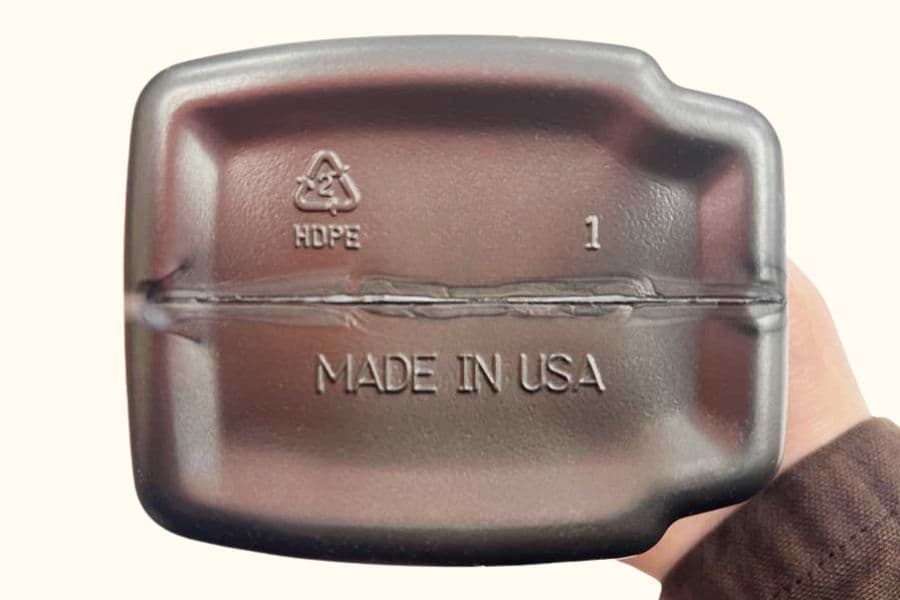
Recyclable packaging uses materials that can be processed and recycled multiple times. Some common examples include cardboard boxes, glass containers, and certain plastics.
Recycling packaging reduces landfill waste and conserves resources by minimizing the need for virgin materials. It also lowers energy consumption during production.
Suppliers that adopt recyclable packaging now are better positioned for compliance as more areas implement EPR laws. As mentioned earlier, California SB 54 will require 100% of single-use packaging to be recyclable or compostable by 2032. Early adopters of recyclable packaging demonstrate environmental responsibility and better position their businesses for compliance.
Reusable Packaging
Reusable packaging offers a long-term solution for reducing waste. Common examples include durable materials like glass bottles and jars, metal tins, and sturdy shipping pallets. Many businesses are beginning to use reusable packaging, where you buy the container once and purchase refills that come in single-use, lower-impact packaging.
For example, Unilever is piloting refill stations and reusable packaging formats to cut plastic waste and rethink traditional packaging models. As Unilever Chief R&D Officer Richard Slater puts it: “To tackle the root causes of plastic waste, we need to think differently about packaging. We need bold innovations that challenge existing designs, materials, and business models. Our priority is to fundamentally rethink our approach and pave the way for new solutions such as reusable and refillable formats.”
Reusable packaging reduces carbon footprints and supports circular economy practices. It also appeals to consumers who value sustainability and convenience.
What Materials Are Considered Sustainable?

Sustainable packaging materials reduce environmental impact and help brands meet consumer and regulatory expectations. Below are four key categories with examples and practical applications.
Compostable Materials
Compostable materials break down into natural elements under specific conditions, leaving no harmful residue. They are ideal for single-use packaging.
Examples of compostable materials:
- Paper and corrugated boxes – Common for shipping and retail packaging.
- Plant-based bioplastics – Made from corn, sugarcane, or potato starch, commonly used for flexible tubes, bottles, and jars.
- Compostable stand-up pouches – Used for dry goods like pet treats and snacks.
Recycled Materials
Recycled materials help reduce waste and conserve natural resources by reusing plastics, metals, and paper that already exist. This approach supports the goals of a circular economy, creating a system where materials stay in use longer instead of ending up as waste. It’s also important to understand the difference between recyclability vs. sustainability, which are often used interchangeably.
Examples of recycled materials:
- Post-consumer recycled (PCR) plastics – Common in bottles and jars for food and personal care products.
- Recycled corrugated cardboard – Used for shipping boxes, retail cartons, and display stands.
- Recycled aluminum – Ideal for beverage cans and refillable containers.
For more info, check out How Recycled Plastic Packaging Aligns with Sustainability Goals.
Bioplastics and Biodegradable Plastics
Bioplastics are made from renewable sources and can be biodegradable or compostable. They offer a lower carbon footprint than petroleum-based plastics.
Examples of bioplastics:
- Polylactic Acid (PLA) – Used in clear cups, deli containers, blister packs, beverage bottles, and disposable tableware and cutlery.
- Polyhydroxyalkanoates (PHA) – Applied in flexible food wrappers, films, single-use packaging.
- Compostable coffee cup linings – Replace petroleum-based coatings with plant-derived bioplastics.
Innovative Sustainable Materials
Innovative materials push sustainability forward with creative alternatives to traditional packaging.
Examples of innovative materials:
- Seaweed-based films – Used for takeaway food boxes and snack pouches.
- Mycelium packaging – Molded protective packaging for fragile goods.
- Paper-based packaging – Major CPG brands, including Absolut Vodka, Nestle, and Kraft Heinz, are testing paper-based containers for specific products.
Challenges Companies Face Around Sustainable Packaging Adoption

While there are numerous benefits to sustainable packaging, there are still obstacles that businesses must address. Below are the most common challenges:
- Manufacturing Costs – Sustainable packaging often costs more to produce, especially when using premium materials or implementing new processes.
- Limited Availability of Sustainable Materials – High demand and limited supply make sourcing compostable, recyclable, or innovative materials difficult for many brands.
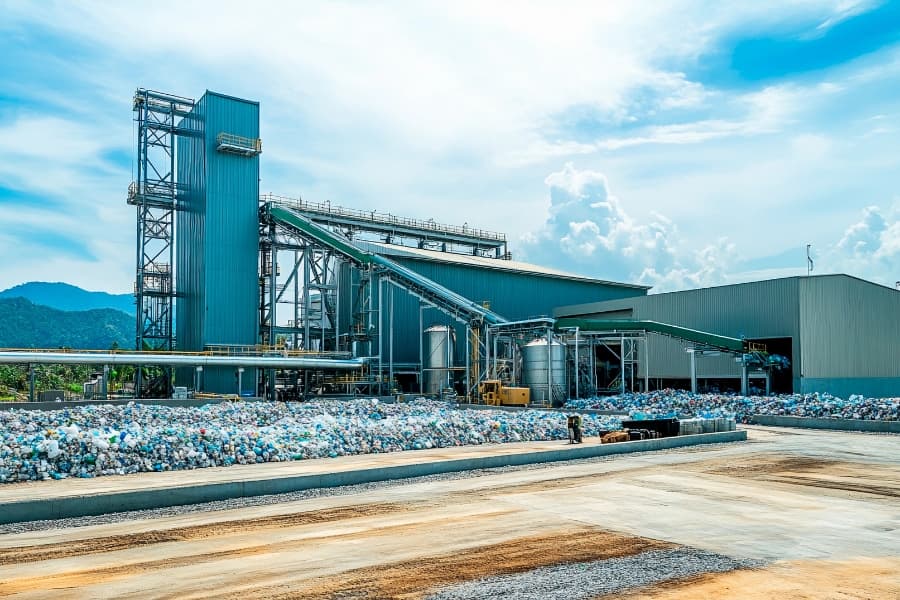
- Inadequate Infrastructure for Recycling – Many regions lack the facilities needed to process recyclable or compostable packaging, creating logistical and compliance issues.
- Regulatory Barriers – Evolving laws require strict compliance, which can be complex for businesses operating in multiple states.
- Resistance to Change – Internal teams and suppliers may hesitate to adopt new packaging formats due to cost concerns or operational challenges.
For more on this, check out our guide, How to Overcome Sustainable Packaging Challenges.
Best Practices for Implementing a Sustainable Packaging Solution

Implementing sustainable packaging takes planning and patience. Start by defining your sustainability goals, setting measurable objectives, and choosing the right supplier. These best practices will help you succeed.
1. Don’t Go All In at Once
Transitioning to sustainable packaging is a gradual process. Avoid overhauling everything at once. Begin with small, strategic changes.
Research packaging options and suppliers that align with your goals. Focus on solutions that balance sustainability with customer appeal. Slow implementation reduces risk and helps identify what works best for your business.
2. Order Samples
Request samples from sustainable packaging providers before committing. Test materials with your products to ensure durability and performance.
Sampling helps you compare options and avoid costly mistakes. Take a methodical approach to select packaging that meets your needs and sustainability standards.
3. Adjust Pricing
Sustainable packaging can increase costs, but consumers often support eco-friendly practices. As mentioned earlier, many people are willing to pay more for products that protect the planet.
Communicate the reasons behind your pricing changes. Transparency builds trust and reinforces your commitment to sustainability.
4. Start with Small Volumes
Order small quantities of new packaging first. This allows you to evaluate performance during storage, shipping, and display.
Gather customer feedback before scaling up. Positive results and smooth operations signal it’s time to increase order volumes.
5. Message to Customers
Share your sustainability efforts with customers. Explain how your packaging choices reduce environmental impact and support a greener future.
Clear messaging strengthens brand loyalty and boosts sales. Customers appreciate businesses that prioritize sustainability and transparency.
Reduce Your Carbon Footprint and Packaging Waste Today

Paramount Global has been a trusted packaging partner since 1976. For nearly 50 years, we have helped businesses deliver smarter, sustainable solutions. Our service-centered approach and deep industry expertise have helped us build long-term partnerships with our customers and suppliers.
Since our early days, we have grown from a single location to a global network with warehouses across the U.S. and the U.K. This expansion allows us to provide fast, reliable service and tailored solutions for businesses of all sizes. Our team is committed to helping you meet sustainability goals without compromising quality or performance.
Your sustainability journey starts with the right partner. From global product sourcing to packaging design to inventory management, our experts will guide you toward packaging solutions that fit your goals. Contact us today to explore sustainable options that work for your business and the planet.
For more info on packaging and sustainability, check out our other articles: